


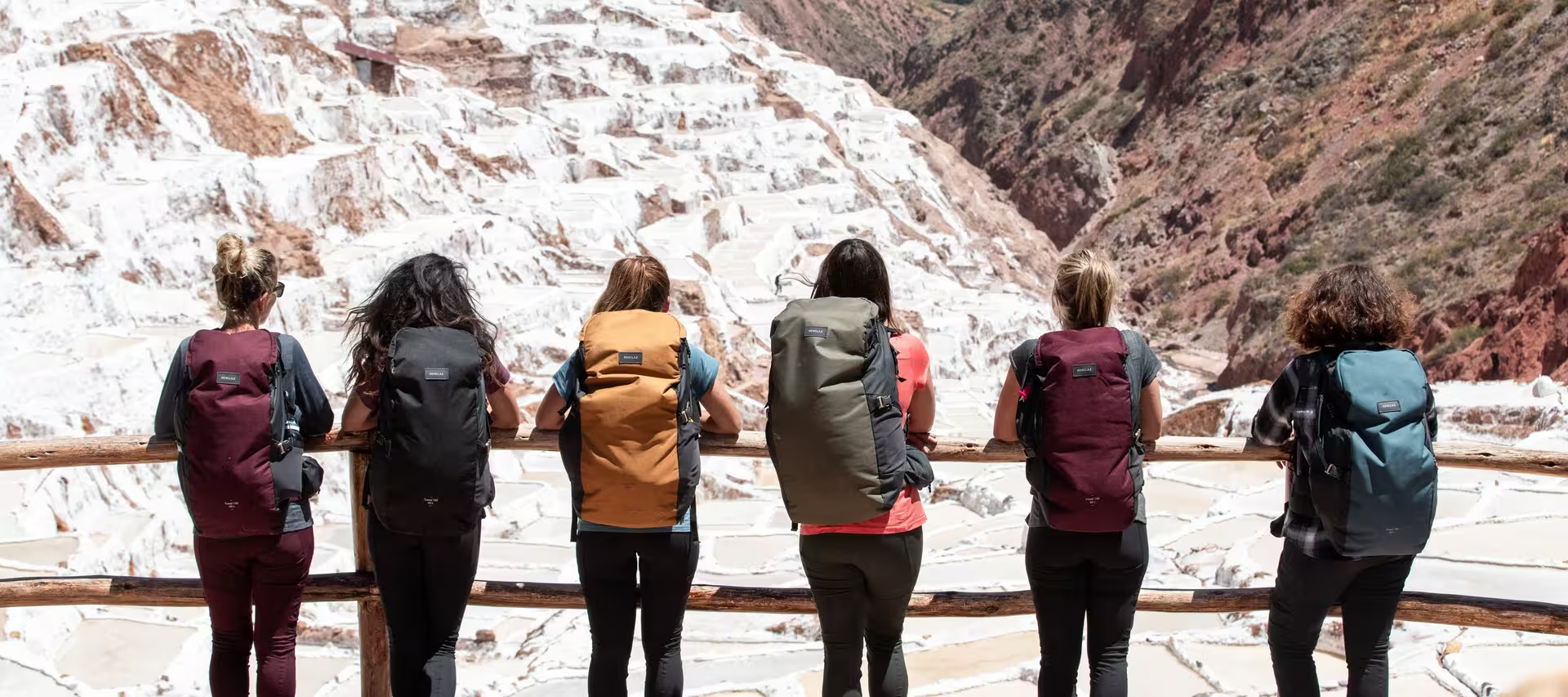
A heavy bag can ruin a trip before the first boarding call. You feel it in your shoulders, your mood, your pace, and eventually your patience. The best Backpack Travel Tips are not about owning the most expensive gear; they are about making cleaner decisions before your bag ever leaves the floor. For travelers across the USA, that matters even more because trips often mix airports, rideshares, city sidewalks, national parks, hotel check-ins, and long waits in crowded terminals. A smart backpack setup gives you freedom that a rolling suitcase cannot always match.
Travel also feels less stressful when your plan has less clutter. Many American travelers now build trips around flexibility, whether that means a three-day city break, a work-and-leisure stay, or a low-cost flight with strict carry-on limits. Strong packing choices work the same way strong communication works in business: they remove friction before it spreads. That is why resources such as smart travel planning strategies can fit naturally into a broader preparation mindset. A lighter journey is not about taking less for the sake of it. It is about carrying only what earns its place.
Backpack Travel Tips That Start Before Packing
Better travel begins before you touch a zipper. Most people overpack because they treat the backpack like a safety net instead of a tool. That mistake shows up later as sore shoulders, messy airport security bins, and the quiet frustration of digging through three pouches to find one charger. A lighter trip starts with choosing the kind of journey you are actually taking, not the fantasy version where every unlikely situation gets its own item.
Build a Realistic Carry-On Packing List
A carry-on packing list should begin with your actual days, not your fears. A weekend in Austin, a work trip to Chicago, and a hiking stop near Denver ask for different choices, even if each trip lasts three nights. The mistake is packing as if every trip needs the same backup wardrobe, the same extra shoes, and the same “maybe” items that never leave the bag.
Start with fixed needs: sleepwear, underwear, weather-appropriate layers, toiletries under TSA limits, medication, documents, phone charger, and one outfit formula that can repeat without looking careless. Then add trip-specific items. A museum-heavy city trip needs comfortable walking shoes more than a second jacket. A cabin weekend in Vermont needs warmth, not three shirts that all do the same job.
The counterintuitive move is to pack from the return day backward. Think about what will be dirty, what can be reworn, and what can be washed in a sink or hotel laundry room. That small reversal exposes the excess fast. You stop packing for the first photo and start packing for the whole trip.
Choose the Right Backpack Size for the Trip
Backpack size quietly controls everything. A larger bag does not solve packing problems; it hides them until your shoulders pay the bill. For most short USA trips, a 25- to 35-liter backpack gives enough room without tempting you to turn a simple stay into a moving closet.
A smaller bag also makes airports easier. You can slide through security, avoid checked-bag lines, and move through tight boarding areas without knocking into strangers. On budget airlines, dimensions matter because personal-item and carry-on rules can vary by carrier. Measure the bag when it is packed, not empty, because stuffed pockets change the shape.
The right backpack should fit your torso, not only your packing list. A padded back panel, chest strap, and clean internal layout can matter more than a trendy brand name. A cheap bag that fits well often beats an expensive one that pulls your weight backward. Comfort is not a luxury on travel days. It is the whole point.
Pack for Movement, Not for Storage
Once the bag is chosen, the next job is arranging it for motion. Travel is not a closet with straps. Your backpack will sit under seats, swing through train stations, rest on hotel floors, and get opened in public when you need something fast. Packing for movement means every item has a place, and the items you reach for most are not buried under clothes.
Use Lightweight Travel Gear With a Purpose
Lightweight travel gear only helps when it replaces bulk instead of adding another layer of stuff. A thin rain shell can beat a heavy hoodie in many climates because it blocks wind, handles light rain, and folds into a corner. A compact microfiber towel may help on camping trips, but it wastes space in a hotel-heavy itinerary where towels already exist.
Choose gear that solves repeat problems. A small power bank helps during long airport delays. A flat toiletry pouch fits better than a bulky hard case. A collapsible water bottle makes sense when you move between flights, national parks, and city walks. Each item should have a job you can name in one sentence.
The trap is buying “travel gear” because it looks efficient online. Some products solve problems you do not have. Before adding any gadget, ask whether it removes weight, saves time, or protects something important. If the answer feels vague, leave it out. Bags get heavy one harmless object at a time.
Organize for Airport Security and Daily Access
Security lines reward calm packing. Keep liquids, electronics, ID, and boarding documents in places you can reach without unpacking your life in front of impatient strangers. A top pocket or front panel works well for small essentials, while a laptop sleeve should open cleanly if you travel with work gear.
Daily access matters after the airport too. Put your charger, medication, sunglasses, earbuds, snacks, and hand sanitizer where they can be reached while seated. This sounds small until you are wedged into a full flight from Atlanta to Seattle and your cable is trapped under a pair of jeans.
A good layout has zones. Clothes go together, toiletries stay sealed, electronics stay protected, and valuables stay close to your body. Packing cubes can help, but they are not magic. Their real value is discipline. They stop one shirt from becoming a fabric landslide every time you open the bag.
Make Clothing Earn Its Space
Clothes create the most backpack weight because they feel personal. You can talk yourself into extra outfits with ease: one for dinner, one for weather, one for a mood you may not even have. The better rule is harsher and kinder at the same time. Every clothing item must work with at least two other items, or it does not come.
Create a Travel Capsule Wardrobe
A travel capsule wardrobe is not about dressing blandly. It is about building outfits from pieces that cooperate. For a five-day trip, two bottoms, three tops, one outer layer, and one flexible pair of shoes can create more options than a bag stuffed with unrelated clothing. Neutral colors help, but fit and fabric matter more.
American trips often cross settings in one day. You might leave a hotel breakfast, walk several miles, sit in a rideshare, visit a casual restaurant, and then meet friends in the evening. Clothes that survive that range earn their space. A clean overshirt, dark jeans or travel pants, and one breathable base layer can work harder than three separate “outfits.”
The unexpected truth is that fewer clothes can make you look more put together. When every piece matches the rest, you stop fighting your bag each morning. You also avoid the tired traveler look that comes from wearing the one item that happened to be clean because nothing else made sense together.
Plan for Laundry Instead of Extra Outfits
Laundry sounds less exciting than packing another shirt, but it is the smarter move for longer trips. Many USA hotels, rentals, and campgrounds offer machines, and even a sink wash can refresh socks, underwear, and lightweight tops overnight. Quick-drying fabrics make this easier, especially during summer trips or humid city stays.
Do not pack detergent like you are opening a laundromat. A few laundry sheets or a tiny soap option can cover basic needs without taking over the toiletry pouch. The point is not to do chores on vacation. The point is to avoid carrying seven days of clothing when three days plus a wash would work.
This habit changes the way you see your bag. Instead of asking, “What if I need more?” you ask, “What can I reset along the way?” That mindset cuts weight without cutting comfort. It also gives you room for something better than excess clothing, such as a local market find or a book bought at an airport shop.
Travel Lighter Without Losing Readiness
Lighter travel should never feel reckless. The goal is not to become the person who forgets medicine, ignores weather, or ends up buying overpriced basics at a terminal shop. Smart light packing keeps the essentials strong while trimming the noise. That balance matters most on trips across the USA, where conditions can shift fast between regions, seasons, and transportation styles.
Prepare for Weather Without Overpacking
Weather planning needs discipline because forecasts invite panic. A trip to San Francisco may need layers in July, while a spring visit to Nashville can swing from warm afternoons to stormy evenings. The answer is not packing for every condition. The answer is choosing layers that stack well.
A thin base layer, a light insulating piece, and a packable shell can handle more situations than one bulky coat. For warm destinations, breathable fabrics and one sun-protective layer often beat extra outfits. Shoes deserve the same thinking. One pair should carry most of the trip, while sandals or flats only come if the itinerary proves they will work.
Check the forecast close to departure, then make one round of edits. Remove anything that no longer matches the likely conditions. Travelers often add items when weather looks uncertain, but confident editing does more good than anxious adding. Your bag should respond to the forecast, not your imagination.
Keep Safety, Documents, and Money Simple
Safety items should be boring, visible, and easy to reach. Keep your ID, cards, cash, insurance details, medication, and emergency contacts in a consistent location. A hidden pocket or slim pouch can help in crowded places, but overcomplicated storage creates its own risk when you cannot remember where you put something.
Digital backups matter too. Store copies of your ID, booking confirmations, and key reservations in a secure cloud folder or offline phone file. For domestic USA travel, this can save time if your wallet gets misplaced or your phone signal drops at the wrong moment. Paper copies still help for travelers who do not want every detail trapped behind a battery percentage.
Cash deserves a modest role. You do not need a thick envelope, but small bills can help with tips, parking machines, local shuttles, or a roadside stop where card systems fail. Readiness is not about carrying everything. It is about knowing which few things protect the trip if the smooth plan breaks.
Build a Bag System You Can Repeat
The strongest travel setup is the one you can repeat without thinking too hard. That does not mean every trip looks the same. It means your core system stays familiar while the details change. When you know where your charger lives, how your clothes fold, and which pocket holds your documents, travel stops feeling like a fresh puzzle every time.
Create a Personal Backpacking Checklist
A personal backpacking checklist beats a generic one because it learns from your mistakes. After each trip, write down what you used, what annoyed you, and what stayed untouched. One traveler may need blister patches on every city trip. Another may always regret skipping a second phone cable. Your real history is better than any influencer’s printable list.
Divide the list into permanent and trip-based sections. Permanent items include documents, medication, chargers, toiletries, and basic clothing categories. Trip-based items shift with weather, purpose, and destination. A business conference in Dallas needs different details than a fall road trip through Maine.
The best list also includes a “do not pack” section. This sounds odd until you realize how often people repeat the same bad choice. If you carried a bulky sweater through Miami and never wore it, write that down. A checklist should protect you from your habits, not only from forgetfulness.
Test the Packed Bag Before You Leave
A packed bag deserves a test walk. Put it on, tighten the straps, walk around your home, climb stairs if you have them, and notice what shifts. If the bag feels annoying after five minutes, it will feel worse after a delayed flight, a long walk to a rideshare zone, or a hotel check-in line that crawls.
Weight distribution matters more than most travelers think. Heavier items should sit close to your back and near the middle of the bag. Loose items should be contained so they do not sink into corners. A backpack that carries badly can feel heavier than it is, while a balanced one can make the same load feel manageable.
Backpack Travel Tips work best when they become habits rather than last-minute rescue moves. Pack earlier than the night before, leave a little empty space, and make one final cut before departure. Your next step is simple: build one repeatable packing system for your next trip, then refine it after you come home. Travel gets lighter when your decisions get sharper.
Frequently Asked Questions
What are the best backpack travel tips for beginners?
Start with a smaller bag, pack clothing that mixes easily, and keep documents, chargers, medication, and toiletries in fixed pockets. Beginners often overpack because they fear being unprepared. A simple list, one test walk, and one final edit solve most early packing mistakes.
How do I pack a backpack for a week-long trip?
Pack three to four days of clothing and plan one laundry reset during the trip. Choose pieces that match each other, limit shoes, and keep toiletries compact. A week-long trip does not require seven full outfits when your clothing system is flexible.
What should I put in a carry-on packing list?
Include ID, payment cards, medication, chargers, toiletries, underwear, weather-ready clothing, sleepwear, and one small comfort item. Add destination-specific needs only after the basics are covered. A good carry-on packing list should prevent panic without turning your backpack into storage.
How can lightweight travel gear reduce backpack weight?
Lightweight travel gear helps when it replaces bulk, such as a packable jacket instead of a heavy coat or a flat pouch instead of a hard toiletry case. The key is choosing items that solve repeat problems, not buying gadgets that add clutter.
What size backpack is best for domestic USA travel?
A 25- to 35-liter backpack works well for most short domestic USA trips. It usually fits enough clothing and essentials without becoming hard to carry. Always check airline size rules before flying, especially when booking basic economy or low-cost fares.
How do I build a travel capsule wardrobe?
Choose tops, bottoms, shoes, and layers that work together in several combinations. Stick with pieces that match your actual plans, not imaginary events. A travel capsule wardrobe should make dressing easier each morning while keeping your backpack lighter.
Is a backpack better than a suitcase for short trips?
A backpack is better when your trip includes stairs, public transit, uneven sidewalks, or tight airline limits. A suitcase can work well for hotels and car travel, but a backpack gives more movement freedom. The better choice depends on how you will move.
How do I avoid overpacking for a backpacking trip?
Lay everything out before packing, remove duplicate items, and ask what each piece will do during the trip. Pack earlier than the night before so you can edit calmly. Overpacking usually comes from rushed decisions, not real need.
