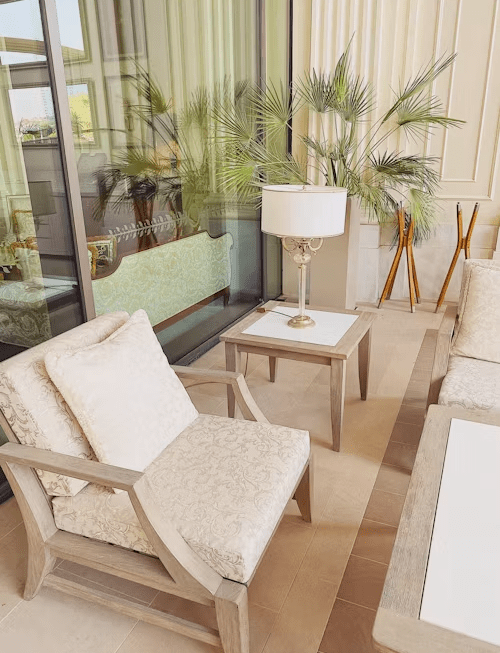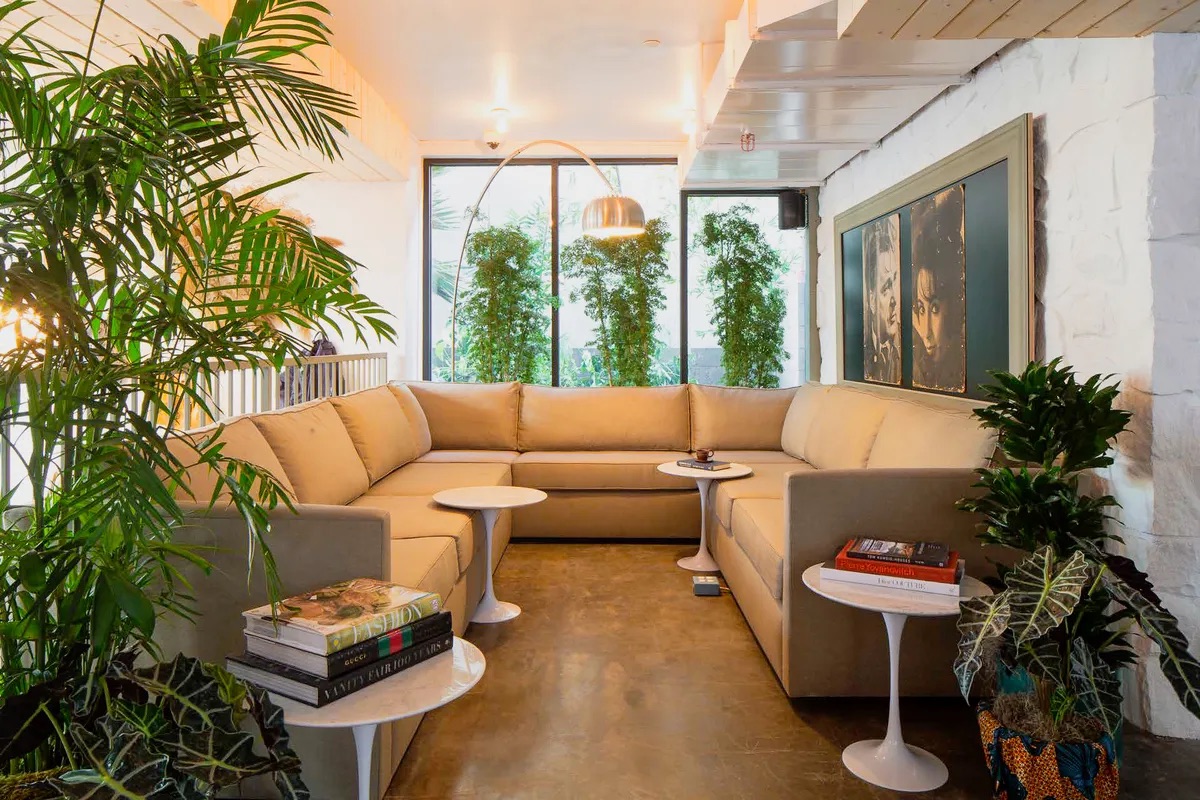


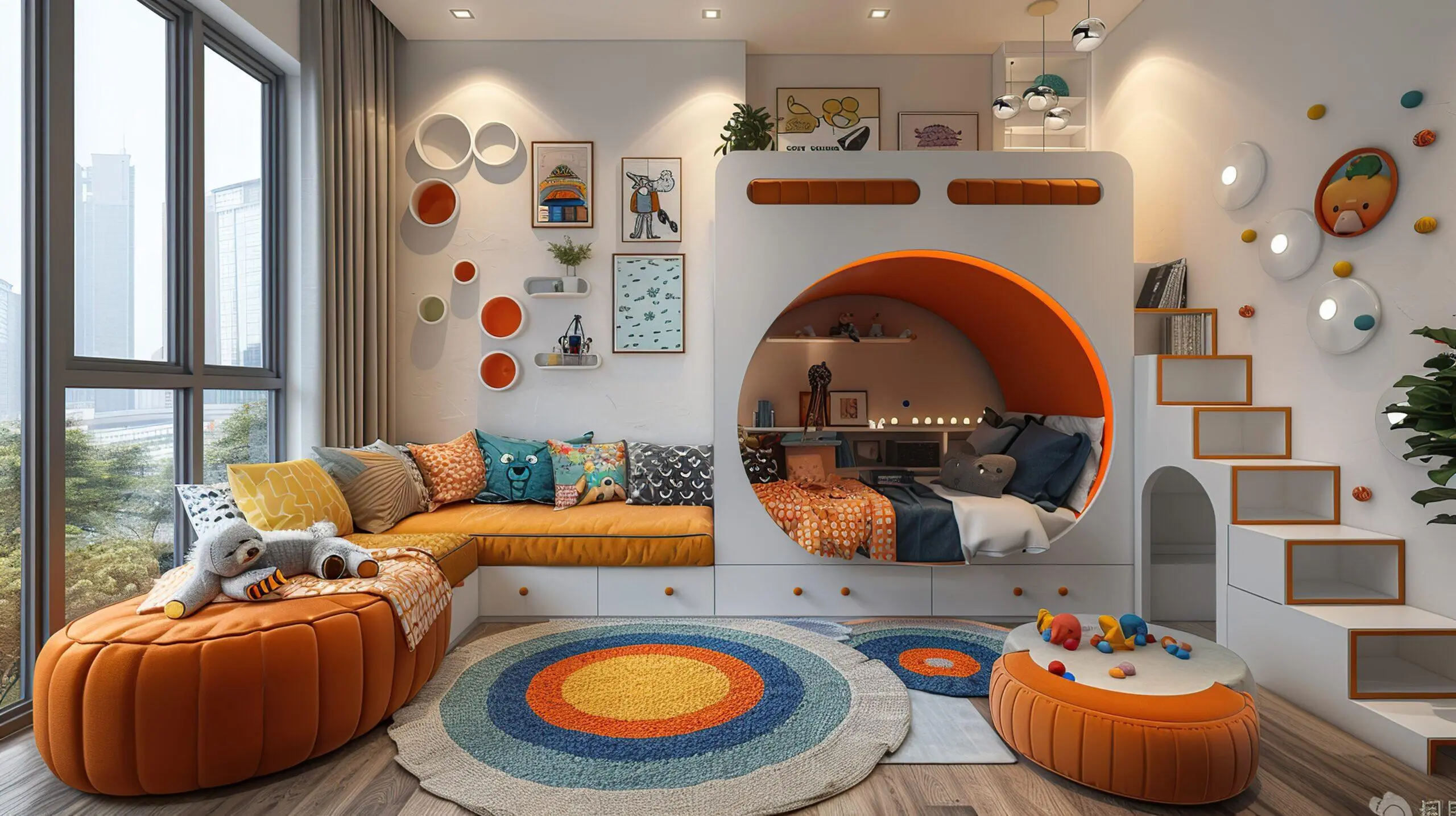
A child’s room can look beautiful and still fail the moment real life walks in wearing sticky socks and carrying a marker with no cap. Good Kids Room Ideas start with a harder question than color, theme, or furniture style: can your child move, rest, play, and grow here without the room fighting back? Across American homes, bedrooms often double as play zones, reading corners, art tables, toy storage, and emotional reset spaces, so design has to work beyond the photo. Parents also need ideas that respect budget, square footage, rented homes, shared rooms, and busy schedules. Thoughtful planning matters, whether you are updating one corner or rethinking the whole layout through practical family home improvement choices. A room should invite imagination without quietly creating risks. That balance is the real goal: not a perfect showroom, but a space where safety sits under creativity like good flooring under small feet.
Design the Room Around Real Movement
A child’s room is not a still-life scene. It changes by the hour, sometimes by the minute, as kids jump from reading to building to hiding to dumping every block on the floor. The safest design begins when you stop decorating for how the room looks empty and start designing for how it behaves when your child is in motion.
Build Clear Paths Before Buying New Furniture
Open floor space does more for safety than another cute shelf ever will. A safe kids bedroom starts with clear walking paths from the door to the bed, closet, window, and light switch, because children move half-awake, distracted, excited, and sometimes upset. If a child has to dodge a toy bin, rug edge, laundry basket, and stool before reaching the bed, the room is making small accidents more likely.
Parents often underestimate how much space kids need around furniture. A dresser pulled too close to the bed becomes a climbing step. A play table jammed into a corner becomes a shin trap. A bookcase blocking a window limits access and can create awkward climbing behavior. The better move is boring but powerful: place the largest items first, then protect the paths that remain.
This is where smaller American bedrooms need discipline. A twin bed with under-bed drawers may beat a bulky storage bench. A wall-mounted reading light may beat a floor lamp. One low shelf may beat three storage towers. Space is not wasted when it stays open. It is doing work.
Choose Zones That Match Daily Behavior
Children use rooms in patterns, even when the room looks chaotic. They sleep in one area, spread toys in another, pull books into a quiet corner, and leave school items wherever the grown-up system breaks down. A creative playroom design works better when it follows those patterns instead of forcing adult logic into a child’s day.
A simple layout might place soft play near the floor, messy art near washable surfaces, and calm reading away from the door. In a shared room, each child can have a small personal zone even if the main play area stays common. That little boundary matters. Kids fight less over space when the room quietly says, “This part belongs to you.”
The unexpected truth is that too many zones can make a room feel less free. A toddler does not need a reading nook, craft station, dress-up corner, building area, and sensory spot in a ten-by-ten bedroom. Two strong zones beat five weak ones. The room should guide behavior, not boss it around.
Make Safety Feel Natural, Not Restrictive
Safety should not make a room feel like a padded waiting area. Children notice when a space feels tense, and they push against it. The best rooms make safer choices look and feel normal, so kids can explore without hearing “don’t” every thirty seconds.
Anchor the Heavy Pieces Without Making It Ugly
Tall dressers, bookcases, and storage units need wall anchoring. That is not a style choice; it is basic protection. The good news is that anchors disappear once installed correctly, so the room can still feel warm, playful, and personal. Parents sometimes delay this step because it feels like a hassle, but a heavy piece only needs one bad climb to become dangerous.
A safe kids bedroom also treats windows, cords, and outlets as part of the design plan. Cordless window coverings reduce strangulation risks. Outlet covers help with younger children. Low beds reduce fall concerns for toddlers and younger kids who move a lot in sleep. None of this has to make the space feel clinical.
The trick is to pair safety with beauty. Choose rounded furniture where possible, add soft rugs with proper grip pads, and keep wall decor light enough that it does not become a hazard if pulled down. Safety done well does not shout. It quietly stays ready.
Use Materials That Survive Childhood
A child’s room should not punish the family for normal childhood mess. Washable paint, wipeable surfaces, sturdy bins, and machine-washable bedding make the room easier to live in. Parents who choose fragile materials often end up policing the child instead of enjoying the space.
Bedroom safety tips should include texture and finish, not only gates and anchors. Slick rugs can slide under running feet. Sharp metal corners can catch elbows. Glass decor can shatter. Lightweight plastic drawers can tip when pulled too hard. Materials shape behavior because they decide how forgiving the room feels.
American homes vary wildly, from older rentals with odd outlets to newer houses with open layouts, so parents have to inspect the actual room in front of them. The same shelf that works in one home may sit poorly over a baseboard heater in another. Design advice gets better when it starts with the room’s real limits.
Create Storage Kids Can Actually Use
Storage fails when it asks children to think like adults. Deep drawers become mystery caves. Tall shelves become forgotten museums. Labeled bins help only if the child can reach them, open them, and understand what belongs inside. The goal is not to hide every toy. The goal is to make cleanup possible before everyone is tired.
Keep Everyday Items Low and Obvious
Child-friendly storage works when the most-used items live at a child’s height. Blocks, stuffed animals, picture books, dress-up clothes, and art supplies should not require adult help every time. When kids can return items without a ladder, chair, or parent, the room starts teaching independence without a lecture.
Open bins are often better than lidded boxes for young children. Lids add one more step, and one more step is where cleanup dies. Clear bins help some kids, while picture labels help others. A preschooler may not read “cars,” but they can match a car picture to a car bin.
There is a quiet dignity in storage children can manage. It tells them they are capable. That message matters more than matching baskets.
Rotate Toys Instead of Expanding Storage Forever
Many families try to solve toy clutter by buying more containers. That often makes the room worse. More storage can mean more toys stay visible, more choices compete for attention, and more mess spreads across the floor. A better answer is rotation.
Keep a smaller group of toys available and store the rest elsewhere in the home. Every few weeks, swap items. Old toys feel fresh again, and the room breathes. This method works in apartments, suburban homes, and shared bedrooms because it reduces pressure on the room instead of forcing the room to hold everything.
Child-friendly storage also helps parents see what children use. If a toy keeps returning to the rotation untouched, it may be time to donate it. The room gets calmer when it holds items that earn their place.
Feed Creativity Without Feeding Chaos
Creative rooms do not need more stuff. They need permission, limits, and the right setup. Children become more inventive when the room gives them tools they can reach, surfaces they can use, and boundaries that make mess manageable.
Give Art a Place Where Mess Makes Sense
Art belongs in a child’s room only when the setup respects reality. Markers roll, glue leaks, glitter escapes, and paper spreads like weather. A small table near washable flooring or a wipeable mat beats a fancy desk placed over pale carpet. The right setup saves everyone from turning creativity into a crime scene.
A creative playroom design can include a rolling art cart, but only if supplies match the child’s age and habits. Crayons, stickers, child-safe scissors, washable markers, and thick paper may work well for younger kids. Older children may need sketchbooks, building materials, or a corkboard for ideas. The point is to create a place where making things feels normal.
Parents should display art at child height when possible. A rotating clip line or magnetic board gives kids pride without covering every wall forever. Their work should feel seen, not swallowed by clutter.
Make Calm Part of the Creative Plan
Creativity needs rest. A room packed with color, toys, lights, patterns, and sound can exhaust a child before bedtime. Many parents want an exciting room, then wonder why sleep becomes a nightly fight. The room may be giving the child too much to process.
Soft lighting, a quiet reading area, and a clear bedtime reset can change the mood. Use brighter colors in active zones and calmer tones near the bed. Keep noisy toys away from sleep areas. Put books near the bed, but keep building sets and art supplies farther away so the room shifts naturally from play to rest.
Bedroom safety tips also apply to emotional safety. Children need one spot where they can calm down without feeling punished. A floor cushion, soft blanket, and small basket of books can do more than another themed decoration. A room that helps a child settle is not less creative. It is wiser.
Support Growth Without Redesigning Every Year
Children grow fast, but rooms do not need a full reset every birthday. The smartest spaces leave room for change from the start. That means choosing flexible pieces, avoiding themes that expire too quickly, and giving children more voice as they mature.
Choose a Flexible Base, Then Add Personality in Layers
Walls, beds, rugs, and major furniture should have staying power. Personality can live in bedding, posters, lampshades, art, and small decor. A dinosaur phase, space phase, ocean phase, or soccer phase can shine without locking the entire room into one idea for years.
This approach also protects the budget. Families in the USA face enough rising home costs without replacing major furniture because a child no longer likes a cartoon print. A flexible base gives you freedom. The room can change with your child instead of becoming a time capsule of last year’s obsession.
Kids still need ownership, though. Let them choose from parent-approved options: two bedding styles, three wall prints, or a paint color for one small area. Children cooperate more with a room they helped shape. Pride changes behavior.
Design for Independence at Every Age
A room should slowly hand responsibility back to the child. Younger children need reachable hooks, low bins, and simple routines. School-age kids need homework surfaces, reading light, and a place for backpacks. Preteens need privacy, stronger storage, and room to express taste without turning every choice into a battle.
Independence also means fewer daily reminders. Put laundry baskets where clothes actually land. Add hooks behind doors if jackets pile there. Keep school items near the exit path if mornings feel rushed. Good design watches the family’s habits and then meets them halfway.
The best Kids Room Ideas do not chase perfection. They create a room that can absorb growth, mess, quiet, play, and change without falling apart. Start with one corner that causes daily friction, fix that first, and let the room become safer and more creative one decision at a time.
Frequently Asked Questions
What are the best safe kids bedroom ideas for small rooms?
Start with open floor paths, low storage, anchored furniture, and fewer loose items. Small rooms work better when every piece has a clear job. Choose under-bed drawers, wall hooks, and soft lighting so the space feels useful without becoming crowded.
How can I create a creative playroom design on a budget?
Use washable surfaces, secondhand shelves, labeled bins, and a small art corner instead of buying themed furniture. Rotate toys to make the room feel fresh without adding clutter. Budget design works best when you spend on function before decoration.
What child-friendly storage works best for toddlers?
Low open bins, picture labels, soft baskets, and short shelves work well for toddlers. They need storage they can see and reach without help. Avoid tall units unless anchored, and keep heavier toys near the floor.
What bedroom safety tips matter most for young children?
Anchor heavy furniture, cover outlets, avoid corded blinds, secure rugs, and keep climbable items away from windows. Check the room from a child’s height because hazards often look different from the floor than they do to adults.
How do I make a shared kids room feel fair?
Give each child one personal zone, even if it is small. Separate hooks, bins, shelves, or wall space can reduce arguments. Shared rooms work better when common areas stay clear and personal belongings have obvious homes.
What colors are best for a safer creative space?
Use calm colors near the bed and brighter accents in play or art areas. Color should guide energy instead of flooding the whole room. Soft neutrals with playful details often last longer than bold wall-to-wall themes.
How can I reduce clutter in a child’s room?
Remove broken toys, rotate extra items, and keep only daily-use belongings within reach. Storage should match what the child can manage. A room feels calmer when fewer items are visible and every category has a simple home.
How often should I update a kid’s bedroom layout?
Review the layout every six months or after a major growth stage, school change, or behavior shift. You may not need new furniture. Often, moving storage, clearing paths, or changing one zone solves the problem.