
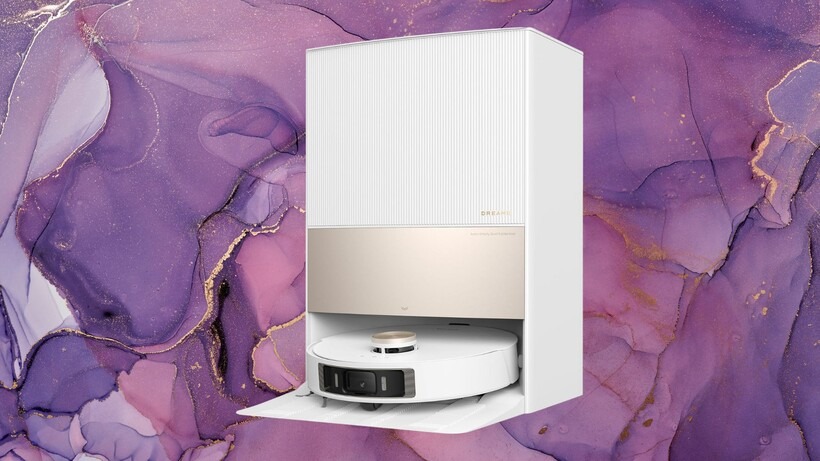
A floor cleaner only becomes exciting when the price stops feeling like a mortgage payment for cleaner tile. The Dreame L20 Ultra robot vacuum mop now sits in that rare bargain zone where a once-expensive home gadget starts making sense for regular U.S. households, especially if the sale price holds near the recent low reported by deal trackers. For buyers who follow consumer deal coverage, the hook is not that this model is new. It is that the old high-end math has changed. This machine launched as a luxury cleaner, with a big dock, strong suction, spinning pads, and enough automation to remove most daily floor chores from your list. That matters in homes with kids dropping cereal, dogs tracking dust, and kitchen floors that never stay clean after dinner. The smarter question is no longer “Is this fancy?” It is “Does the discount finally match how people actually clean?” For many shoppers, the answer is getting harder to ignore. A deal like this also changes the comparison set. You are not only weighing it against the newest Dreame hardware. You are weighing it against a cheaper bot with fewer self-care features.
Why This Robot Vacuum Mop Price Feels Different
The price story matters because this category has trained buyers to expect one of two bad choices: pay high for full dock automation, or save money and babysit a weak cleaner. The L20 Ultra deal breaks that pattern. It gives shoppers a machine built for the high end, then asks a midrange question at checkout: would you rather buy a basic bot today or buy older flagship hardware at a sharp discount? Recent sale coverage also gives shoppers a cleaner price ladder. Earlier discounts made the model cheaper; the newest reported promo pushed it into impulse-check territory for people who had ignored flagship cleaners before. That does not make it a blind buy, but it does make the comparison feel honest for the first time.
The real value is in the dock, not the round cleaner
Most buyers look at the small round unit first. That is natural. It is the part that moves across the floor, ducks under tables, and returns home after a cleaning run. Still, the main value sits in the base station. The dock empties debris, washes mop pads, refills the internal water tank, and dries the pads after use. That is the difference between owning a helper and owning another chore.
A smart cleaning dock matters most during the third week, not the first day. A cheap vac-mop can feel useful after one run, then become annoying when the bin fills, the pad smells, or the water tank needs constant attention. The L20 Ultra’s station cuts that friction. You still handle dirty water, clean water, bags, and periodic brush care, but the small daily tasks fade into the background.
Here is the counterintuitive part: the dock can matter more than raw suction. A machine with wild suction numbers but weak maintenance design may sit unused because nobody wants to clean the cleaner. A slightly older unit with a better maintenance loop may keep working because the setup respects your patience. That is why buyers should judge the whole system, not only the number printed on a product card.
The sale changes who should care
At a high launch price, this machine made the most sense for gadget fans, larger homes, pet owners, and people already sold on premium floor care. At a steep discount, the audience widens. Apartment renters with hard floors, townhome owners with mixed surfaces, and busy parents can all start comparing it against cheaper units instead of only against flagship rivals.
That is why the Dreame L20 Ultra deal feels different from another routine markdown. A family in Phoenix with tile through the main living area does not need a lab-perfect machine. They need something that can run after dinner, avoid chair legs, scrub around the kitchen edge, and keep rugs dry. If the price falls near the cost of a far simpler bot, the older luxury build becomes the practical pick.
The catch is timing. Deals on aging premium gadgets can vanish, return, or change by retailer. A low headline price may require a promo code, limited inventory, or third-party seller terms. Before buying, check the return window, warranty handling, accessories included, and whether the unit is new or refurbished. The sticker price is only one part of the decision. Sales tax, shipping speed, and replacement-bag cost can quietly shift the final value.
What the L20 Ultra Still Gets Right for U.S. Homes
Once the price gets your attention, the next test is whether the machine still fits the way Americans live. Many homes are messy in uneven ways. The living room has pet hair. The kitchen has sticky spots. The hallway has shoes. The rug near the couch becomes a trap for crumbs. A good floor bot has to switch jobs without turning every cleaning run into a project. That is where the L20 Ultra still feels relevant. Its appeal is not spotless perfection. Its appeal is keeping ordinary mess from becoming the thing you notice when you walk into the room. That kind of relief is easy to discount until you stop sweeping after every meal.
Edge cleaning is the feature people notice late
Most floor cleaners can make the open center of a room look decent. Edges expose the weak ones. Dust gathers along baseboards, coffee grounds hide near cabinet kicks, and pet hair drifts into corners where round machines often miss. Dreame’s MopExtend design helps one pad reach outward during edge work, which gives the L20 Ultra a better shot near walls and kitchen trim.
That may sound small until you live with it. In a suburban Ohio kitchen, the obvious mess is not the open floor after breakfast. It is the sticky crescent near the dishwasher and the dust line under the lower cabinets. If a cleaner misses those areas every day, you notice the machine’s limits each time the sunlight hits the floor. It becomes the difference between “the floor looks clean” and “I still need to grab a cloth.”
The non-obvious insight is that edge cleaning affects trust. When a bot leaves the same border dirt behind, owners stop believing it. Then they run it less. Better edge coverage does not remove every hand-cleaning job, but it protects the habit that makes hands-free floor cleaning worth owning. The machine becomes part of the routine instead of a gadget you explain to guests but rarely use.
Carpet behavior is where hybrid cleaners win or fail
Mixed flooring is the hard test. A cleaner that mops well but drags damp pads onto rugs can create a new problem while solving an old one. The L20 Ultra can lift its pads when carpet is detected, and it can also leave pads at the dock for vacuum-focused runs. That second option matters for households with more carpet than tile.
Think about a split-level home in Georgia with vinyl plank downstairs, carpeted stairs, and area rugs under the dining table. You may want wet cleaning in the kitchen but dry passes across rug edges. A machine that understands those zones feels less risky. You are not standing there, waiting to rescue the rug. You set the map once, adjust it after a few runs, and let the cleaner learn the boring paths.
This is also where expectations need discipline. No hybrid cleaner replaces a full-size upright on deep carpet after a muddy weekend or a shedding season blowout. Its job is maintenance. Run often, it keeps debris from building into a bigger chore. Run once after two chaotic weeks, it will show its limits. The buyer who understands that will be happier than the buyer who expects a small disc to beat every mess.
Buying an Older Flagship Means Reading the Fine Print
The L20 Ultra is attractive because it carries older high-end features into a cheaper buying window. That is also the reason to slow down before clicking buy. Older flagship hardware can be a smart purchase, but only when the deal includes the right support, parts, and seller protection. A low price with weak backup is not a bargain. It is a gamble. The best shoppers treat the discount as an opening bid, then inspect the rest of the offer. This is especially true online, where the same product name can appear across direct retail, marketplaces, and refurb listings with different promises attached.
Check what the listing actually includes
Robot cleaners are accessory-dependent. Bags, mop pads, cleaning solution, brushes, filters, and dock parts all affect the ownership cost. A listing that looks cheaper may skip extras or sell a refurb unit with less coverage. The official package and official L20 Ultra specifications are worth checking so you know what the complete setup should look like.
The smart cleaning dock also needs space. This is not a tiny charger that hides behind a chair. The base station belongs somewhere with clearance, floor access, and a spot where clean and dirty water handling will not feel awkward. In a small New York apartment, that may mean giving up a corner near the kitchen. In a Texas home with a laundry nook, the dock may fit with less drama.
The Dreame L20 Ultra deal becomes stronger when the seller includes a clear return policy and warranty path. It becomes weaker when the listing hides condition details, ships from a seller you do not trust, or makes replacement parts hard to find. The lowest price should start the research, not end it. Also check the model bundle name. Some sellers use similar photos for different kits, and missing extras can turn a bargain into a reorder list.
Newer models are stronger on paper, but not always better for your wallet
New Dreame models now advertise much higher suction figures, fresh dock designs, and different navigation hardware. Those upgrades matter for some buyers. If you have thick carpet, tall thresholds, heavy pet hair, or a strong desire for the newest mapping tools, the newer machines may earn their price.
For many homes, though, the jump from “manual chore” to “mostly automated upkeep” is bigger than the jump from one flagship generation to the next. That is the buying lesson people miss. A cleaner with 7,000Pa suction, mop pad washing, auto-emptying, LiDAR mapping, and edge mopping already clears the main convenience bar for hard-floor-heavy homes. Newer machines may clean faster or climb better, yet the day-to-day relief can feel similar.
The counterintuitive move is to ignore the spec race for a minute. Ask where your floors fail. If the problem is daily dust, food crumbs, paw prints, and light kitchen residue, a discounted older flagship can be the better buy. If the problem is thick carpet grit and constant hair wrap, spend more carefully or keep a stronger upright in the plan. No discount should talk you out of your actual floor type.
Who Should Buy It, Skip It, or Wait
A deal only helps when it matches the home. The L20 Ultra is not a magic floor employee. It is a maintenance machine with a large dock and a strong feature set. That makes it excellent for some buyers and awkward for others. The best decision starts with your floor plan, not the discount badge. Walk through your rooms before you shop. Count the rugs, look at thresholds, and decide where the dock would live. Then picture the dirty-water tank in your hand on a Tuesday night. If that still feels fine, the setup may fit.
Buy it if your floors need frequent light maintenance
This machine fits homes where hard floors carry most of the daily mess. Kitchens, dining areas, entryways, and pet zones are its natural territory. If you run it several times a week, the machine can keep dust and light grime from building up. That rhythm is where hands-free floor cleaning earns its keep.
A good use case: a family in Florida with tile through the main room, a Labrador, and two school-age kids. Nobody wants to mop every night, but the floor gets gritty by breakfast. The L20 Ultra can run on a schedule, clean edges better than many round bots, and return to the dock for maintenance. You still do deeper cleaning, but less often. That matters more than a spec sheet when life gets loud.
Buyers who care about time more than novelty should pay attention. This is not the newest Dreame cleaner. That is part of the point. If the discount is large enough, you get most of the lifestyle benefit without paying for every current spec headline. For value shoppers, that trade can feel sane. The deal is strongest for people who want fewer floor chores, not bragging rights.
Skip or wait if the dock creates its own headache
A big dock can solve maintenance and create placement trouble at the same time. If your home has no open floor area near an outlet, no easy path for the bot, and no place where water handling feels clean, the base station may annoy you. The best floor cleaner is the one you keep set up.
You should also wait if the price climbs back near newer competitors. Once the gap shrinks, the older model loses its sharpest argument. Compare it with current Dreame, Roborock, Eufy, and Shark options before paying close to full retail. A model that shines at $279 or $319 may not shine at $699. Price changes the grade.
One more caution: do not buy only because a promo code looks rare. Read recent buyer notes, check seller reputation, and confirm return terms. Then compare the deal against robot cleaner buying tips and pet hair cleaning routines before deciding. A good discount should make the choice clearer, not rush you into a box that does not fit your home.
Conclusion
The best home tech deal is not the one with the loudest discount. It is the one that changes daily life after the receipt fades. The L20 Ultra earns attention because it brings dock automation, edge mopping, carpet-aware behavior, and strong routine cleaning into a price range that many U.S. shoppers can finally weigh without laughing.
Still, the Dreame L20 Ultra robot vacuum mop makes the most sense when the sale price stays far below newer flagship options and the seller terms are clean. Pay attention to condition, warranty, included accessories, and dock space before you treat any deal as safe. Specs help, but ownership details decide whether the machine becomes useful or becomes clutter.
For hard-floor-heavy homes, pet owners, and busy families, this may be the moment when an older flagship stops looking like last year’s gadget and starts looking like the right tool at the right price. Check the live offer, compare the seller, and buy only when the full setup fits your floor plan.
Frequently Asked Questions
How much should I pay for the Dreame L20 Ultra?
A strong sale price is the main reason to consider it now. If it is near the recent low reported by deal sites, it becomes compelling. If it rises close to newer premium cleaners, compare current models before buying.
Is the Dreame L20 Ultra worth it for pet hair?
Yes, for routine pickup on hard floors and low-to-medium carpet. It can help manage shedding before hair piles up. Homes with heavy fur, thick rugs, or long hair still need regular brush checks and occasional upright cleaning.
Does the L20 Ultra mop well on kitchen floors?
It is best for regular kitchen maintenance, light stickiness, dust, and dried spots that have not been ignored for days. Deep stains, grout buildup, and greasy messes still need hand cleaning from time to time.
Will it keep carpets dry while mopping?
It is designed to lift or remove mop pads depending on the cleaning mode. That helps protect rugs and carpeted areas. You should still set no-mop zones in the app for delicate rugs or areas with uneven edges.
How much space does the dock need?
Plan for more room than a small charging puck. The base station needs floor clearance, nearby power, and an easy path for the cleaner. A laundry area, kitchen corner, or open hallway wall can work well.
Is a newer Dreame model better?
Newer models may offer higher suction, updated brushes, and newer navigation features. Better depends on your floors. If you mostly need regular hard-floor care, the older discounted model may offer stronger value than a pricier upgrade.
What should I check before buying a discounted unit?
Confirm whether it is new, open-box, or refurbished. Check warranty terms, return policy, seller reputation, included accessories, and replacement part availability. A low price loses appeal if support is unclear or key items are missing.
Can it replace manual mopping completely?
No. It reduces routine work, but it does not erase deep cleaning. You will still clean grout, heavy spills, sticky corners, and areas the bot cannot reach. Think of it as daily upkeep, not a full housekeeper.