
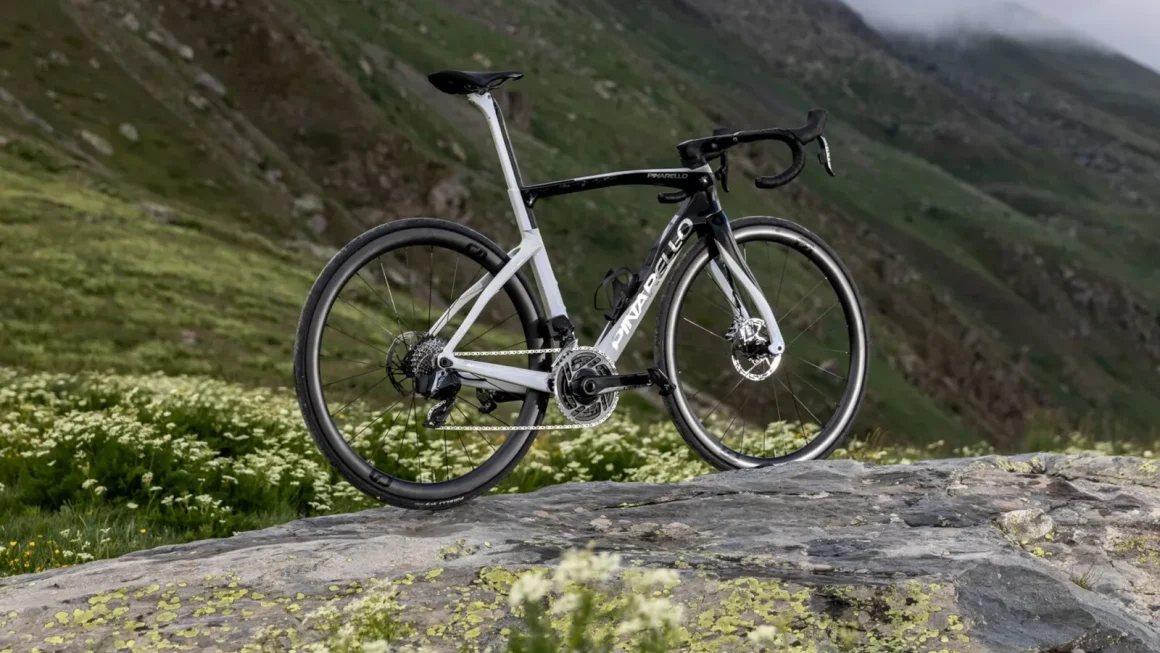
No serious road season starts on the first group ride. It starts weeks earlier, when riders begin hunting for the frame size, build, and color they can trust for long Saturday miles. The Pinarello X5 is getting that kind of early attention because it sits in a sweet spot: Italian road feel, electronic shifting, disc brakes, and a comfort-first frame that still looks fast at a coffee stop. For U.S. riders reading smart cycling product coverage, the draw is easy to understand. Local shop stock can thin fast once amateur cycling season warms up, and special-order timelines rarely care about your first fondo, charity ride, or training camp. This is not a bike for someone chasing the lightest possible garage trophy. It is for the rider who wants a carbon endurance bike that feels sharp on Tuesday intervals and calm after three hours on cracked county pavement. That mix is why it is getting attention before many riders have even pumped up their spring tires.
Why the Pinarello X5 Is Pulling Amateur Riders Early
The early rush around this model says more about American riding habits than brand hype. Many riders do not race in the formal sense. They ride fast group routes, sign up for spring centuries, chase Strava climbs, and want one machine that handles all of it without asking their lower back to pay the bill. That is where the tension sits. Riders want speed, but they also want to get off the bike with enough energy left to drive home, mow the lawn, or take the kids to practice. A bike that can live in both worlds will always draw attention early, because it feels like a safe bet before the season gets messy.
The spring rush starts before the weather feels ready
Bike demand has a strange calendar. In colder states like Michigan, Pennsylvania, and Colorado, riders start shopping while roads still carry salt dust and potholes. By the time the first sunny weekend arrives, the common sizes are often the ones everyone already asked about: 53, 54.5, 56, and 57.5, depending on the brand’s sizing language.
That timing catches newer buyers off guard. They think a road bike is a summer purchase. Shop owners know better. The rider who waits until May may still find a frame, but maybe not the build, finish, or cockpit setup that fits without compromise. The purchase then becomes a hunt for what remains, not a choice based on what works.
There is a quiet lesson here. Scarcity is not always proof that a bike is perfect. Sometimes it means the bike sits in the price and spec range where the most buyers overlap. A carbon frame with Shimano 105 Di2 hits that overlap because it feels premium without forcing every rider into pro-level spending. That is why the early buyer often wins twice: better fit options now, fewer rushed decisions later.
Why endurance geometry beats ego on real American roads
Plenty of amateur riders start by wanting a race bike because race bikes look alive. Then they meet the roads they actually ride. Chip seal in Texas, expansion cracks in Illinois, frost-heaved shoulders in New England, and rough farm roads outside Fresno do not care how flexible you were at age 25.
Endurance geometry makes sense because it gives the rider a higher front end and a shorter reach feel. That does not turn the ride into a couch. It gives you room to breathe, look ahead, and hold form when fatigue arrives. The fastest rider late in a group ride is often not the rider with the lowest handlebar. It is the one still pedaling cleanly after the shoulders tighten.
That point matters during amateur cycling season. You may begin with short training rides, then add distance fast. A bike that feels aggressive on a parking-lot test can feel mean after mile 68. The smarter buy is the one that lets you grow into the season without fighting your own position. Ego buys the slammed stem; patience buys the setup you can repeat every weekend.
What the Frame Says About Comfort, Speed, and Fit
The frame story is where this bike becomes more than a pretty Italian badge. Pinarello’s X line is built around road performance with more comfort than the brand’s pure race machines, using ideas like vibration control, a redesigned rear triangle, extra tire space, and an asymmetric frame layout. Those choices sound technical, but the road feel is simple: less buzz, steadier handling, and fewer reasons to cut the ride short. The best part is that none of this asks you to ride slowly. It asks you to ride with less wasted strain. On a normal U.S. route, that is the whole game. You may leave a smooth bike lane, hit a crowned county road, cross rough railroad tracks, and climb out of the saddle within one hour. A frame that only feels good on perfect pavement is giving you a narrow kind of speed.
A carbon endurance bike should save your back, not baby the ride
A good carbon endurance bike does not feel lazy. That is the trap many buyers worry about. They hear “endurance” and picture a dull bike that smooths the road by muting every bit of feedback. The better version keeps enough stiffness near the bottom bracket so the bike still jumps when you stand up. You want comfort in the wrong places and response in the right ones.
Pinarello’s use of Torayca T700 UD carbon points in that direction. It is not the most exotic carbon in the brand family, but it fits the job. The goal is to absorb road vibration while keeping a lively response under power. For the rider training after work on a rolling suburban loop, that balance matters more than bragging about a frame layup no one can feel at a stoplight.
Here is the non-obvious part: comfort can make a bike feel faster. Not because the frame magically adds watts, but because less hand pressure and less road sting help you hold a cleaner position. When your upper body is calmer, your pedal stroke tends to stay tidier. That matters in the last third of a ride, when most amateurs stop losing time through fitness and start losing it through sloppy posture.
Tire room changes how the whole bike feels
The tire clearance is one of the most practical parts of the package. The official setup points toward 35 mm rubber, which gives riders room to run a bigger tire than old-school race bikes allowed. On American roads, that can be the difference between floating through rough patches and dancing around every crack.
Wider tires also change confidence. A newer rider descending a patched road outside Asheville may not care about lab speed claims. They care that the bike tracks cleanly when the pavement turns ugly. More air volume lets the tire do some of the work before vibration reaches your hands and hips.
That does not mean you should treat this as a gravel bike. It is still a road machine. The smarter view is that the frame gives you a wider tuning range. You can set it up for fast paved routes, long fondos, or mixed-quality backroads without making the bike feel confused. In practice, tire choice becomes a personality dial: narrower and firmer for fast club rides, wider and calmer for long solo loops.
How to Buy Before Your Size Disappears
Buying this kind of bike should feel exciting, but the wrong order of decisions can turn it into a rushed mistake. The frame size matters first. Then contact points. Then wheels, finish, and every upgrade that looks tempting online. If you reverse that order, you may own a beautiful bike that never feels like yours. The better buying path is slower at the start and faster at the end. Measure first, confirm fit second, buy third. Also ask boring questions before the deposit goes down. Can the dealer swap stems? Is the steerer already cut? Are there spacer limits? Will the first tune-up be included? Those answers matter more than the shine of a new paint finish.
Fit comes before color, wheels, and sale pressure
A serious road bike is not a hoodie. You cannot fix the wrong size with optimism. A stem swap can help, saddle setback can help, and bar width can help, but the frame still sets the limits. That is why a proper road bike fit matters before you chase the last available color.
Many U.S. buyers shop across several dealers because local inventory varies. That can work, but it adds risk. A shop in another state may have the frame you want, yet your local fitter may be the person who knows whether that size works. A five-minute phone call with measurements can save a season of sore hands.
One useful move is to compare your current bike stack, reach, saddle height, and handlebar drop before calling shops. Bring numbers, not guesses. The buyer who says “I ride a medium” gets a weaker answer than the rider who knows the fit they need. If you are between two sizes, ask how each one would be built. The answer often reveals which frame gives the fitter more room to solve problems. A smaller frame with a long stem can feel sharp, but it may create toe overlap or too much saddle-to-bar drop. A larger frame can calm the bike, yet leave less room to lower the front later.
Where the smart money goes in the first upgrade year
The spec already covers the big needs: electronic 12-speed shifting, hydraulic disc braking, and a road-friendly tire setup. That means the first year should not become an upgrade spree. Ride the bike first. Let your habits expose the weak points.
For many riders, the best early money goes toward contact points. A saddle that matches your anatomy can change more than a lighter wheelset. A bar with the right width can calm your neck and hands. Quality tires, set at sane pressure, may give the most obvious ride gain per dollar.
There is a funny truth in bike ownership. People often upgrade the part that photographs best, not the part that hurts them every weekend. If your goal is to finish longer rides fresher, begin where your body meets the bike: saddle, shoes, bars, tires, and fit. Save the deep wheels for the day you can explain exactly what problem they solve. Until then, spend on the things that make every ride easier to repeat. Fresh bar tape, a quiet drivetrain, a clean fit sheet, and the right tire pressure will not turn heads in the parking lot, but they make the next ride more likely.
Who Should Ride It, and Who Should Walk Away
No bike belongs to every rider. This model makes the most sense for cyclists who want a premium road feel without living in a race posture. It also asks for honest self-awareness. If you want an ultra-light climbing weapon or a low-cost first bike, there are better paths. If you want a refined road partner for fast real-world miles, it becomes far more persuasive. The best buyer is not dazzled by the badge alone. They understand why the geometry, tire space, and Shimano 105 Di2 build match their weekly riding. They also know the bike has to serve ordinary days, not only big ones. The after-work loop, the windy solo ride, the charity event, and the early Sunday group roll all count.
Weekend riders who want race manners without race punishment
The ideal buyer is the rider who does more than casual spins but does not want a twitchy pro setup. Think of someone in Northern California training for Levi’s GranFondo, a Chicago rider building toward a century in Wisconsin, or a Florida cyclist joining a fast shop ride before the heat gets wild.
That rider wants clean shifting, dependable braking, and enough frame comfort to keep moving after the first two hours. Shimano 105 Di2 makes sense because the shift quality feels polished while keeping the build away from the highest price tier. It is the working rider’s electronic group, not a museum piece.
The appeal is emotional, too. Pinarello frames carry a certain drama. You feel it when the bike is leaned against a brick wall outside a bakery stop. That may sound shallow, but pride of ownership matters. A bike you love to look at gets ridden more. It gets washed after wet rides. It gets taken out on days when motivation is thin.
The wrong buyer will feel the price more than the ride
The wrong buyer is someone who only wants the name. If you ride twice a month on flat paths, this bike may be more machine than you need. A less expensive aluminum or entry carbon road bike could leave more budget for shoes, a helmet, lights, clothing, and maintenance.
It is also not the cleanest choice for riders who plan to race crits every weekend. A lower, sharper race frame may suit that use better. The X-series personality is quick, but its real gift is carrying speed without turning every ride into a flexibility exam.
The least obvious mismatch is the rider who refuses to adjust anything after purchase. A premium bike still needs setup. Tire pressure, saddle position, cleat placement, bar angle, and maintenance shape the ride. Buy the frame for its strengths, then do the small work that lets those strengths show up. A fine bike can feel ordinary when the setup is ignored. The opposite is also true. A careful setup can make a mid-tier build feel richer than its parts list suggests, because the bike stops arguing with your body.
Conclusion
A bike like this sells on feeling as much as numbers. It gives riders the fast-road look they want while admitting a truth many amateurs learn the hard way: comfort is not the enemy of speed. The Pinarello X5 belongs on the shortlist for riders who plan to build a full season around longer routes, sharper group rides, and weekends that demand more than a casual spin. The smart move is not to panic-buy because a size looks scarce. It is to confirm fit, check dealer support, and decide whether this blend of road edge and endurance calm matches the way you ride. Use guides like choosing a carbon bike for long rides, compare your current setup through road bike fit basics for weekend cyclists, and review NHTSA bicycle safety guidance before rolling into busier spring roads. Buy the bike that keeps you riding when the easy miles end.
Frequently Asked Questions
How much does this road bike usually cost in the USA?
Pricing varies by dealer, build, wheel option, and seasonal stock. Expect it to sit in the premium endurance category, not entry-level carbon. Ask what is included, since fitting, assembly, warranty support, and post-purchase adjustments can change the real value.
Is this model good for first-time road cyclists?
It can work for a committed beginner with a healthy budget and a clear fit plan. A casual first-time rider may be better served by a cheaper bike while learning preferences. The value makes more sense when you plan to ride often.
What size should I buy for long endurance rides?
Start with stack, reach, saddle height, and your flexibility, not height alone. A fitter or experienced shop can compare your body measurements to the frame chart. For long rides, avoid a size that forces too much bar drop or a stretched position.
Is Shimano 105 Di2 enough for serious group rides?
Yes, it is more than enough for most amateur riders. The shifting is electronic, consistent, and well suited to fast road use. Higher-tier groups save weight and add polish, but they do not decide whether you can hold the wheel.
Can this bike handle rough pavement and chip seal?
Yes, within road-bike limits. The endurance frame shape and larger tire room help on broken pavement, chip seal, and long backroad routes. It is still not a gravel bike, so repeated dirt, rocks, and deep washboard are not its natural home.
Should I upgrade the wheels right away?
Ride the stock setup before spending more. Many riders gain more from better tires, pressure tuning, a better saddle, or a proper bar width. Wheel upgrades can help, but they should answer a problem you have already felt.
Is this a good bike for century rides?
Yes, it suits century rides well when the fit is correct. The comfort-focused frame, electronic shifting, disc brakes, and tire clearance all help over long distance. Your contact points and training plan will matter as much as the frame.
Why are common sizes harder to find before spring rides?
Many riders shop before organized rides and group routes begin, so mid-range sizes can move first. Dealers may not receive equal stock in every color or build. Waiting for perfect weather can leave you choosing from leftovers instead of the best fit.