
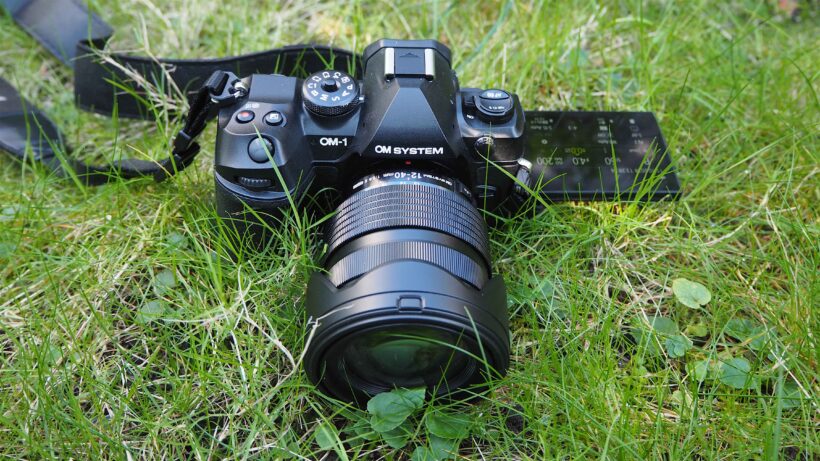
A serious camera discount only matters when the body still feels current, not tired. The OM 1 Mark II Camera now sits in that rare zone where the price drop makes people rethink a system they may have dismissed too fast. For U.S. shoppers, the story is not only about saving money. It is about whether a compact Micro Four Thirds camera can still earn a place beside larger mirrorless bodies in 2026.
The short answer comes early: this deal deserves attention if you shoot wildlife, birds, travel, hiking, kids’ sports, or weather-heavy outdoor scenes. Shoppers who follow practical gear coverage through smart product deal updates already know the pattern. The best camera buy is often not the newest release. It is the model that finally drops far enough to make its strengths feel sharper than its limits.
This OM System camera deal is exactly that kind of moment. The Mark II body was never built to win a spec-sheet contest on sensor size. It was built to help you carry less, react faster, and keep shooting when the weather turns ugly.
Why the OM 1 Mark II Camera Price Cut Feels Different
Price cuts happen all the time. What makes this one worth a closer look is the gap between what many buyers think Micro Four Thirds means and what this body actually does in the field. A cheaper old camera can be a trap. A discounted flagship with speed, weather sealing, deep lens support, and strong handling can be a smart buy.
The discount changes the camera’s real competition
At launch pricing, many U.S. buyers compared the Mark II body against full-frame cameras first. That made the debate harder than it needed to be. Full-frame bodies offer larger sensors, wider dynamic range in some cases, and better high-ISO files when light gets ugly. Fair.
But a camera purchase is never only the body.
Add a long wildlife lens, a weather-sealed zoom, a spare battery, a bag, and a travel tripod. Suddenly the full-frame setup gets heavy and expensive. A Micro Four Thirds camera changes that math because the smaller sensor gives you more effective reach from smaller lenses. That matters when you are standing at the edge of a wetland in Florida, watching a heron lift off with no warning.
Here is the non-obvious part: the lower price does not make this body feel “budget.” It makes the whole system easier to defend. You can put more of the budget into glass, batteries, memory cards, or a better shoulder strap. Those things affect your actual shooting day more than a spec you only notice while reading reviews.
The launch price made sense, but today’s value is clearer
When a flagship arrives, early buyers pay for being first. They also pay before the market has sorted out what the camera is best at. By now, the Mark II’s identity is easier to read. It is an outdoor action body first. It can do landscapes, family travel, macro, street work, and video, but its strongest pitch is speed in a small kit.
That matters for a buyer who has been waiting. You are no longer buying into mystery. You are buying into a known tool.
A parent shooting a middle-school soccer game in Ohio may not care about every advanced menu item. They care that the camera tracks motion, the viewfinder keeps up, and the lens does not make their wrist ache by halftime. A birder in Arizona may care less about giant prints and more about silent shooting, reach, and fast bursts before a subject leaves the frame.
For those people, this OM System camera deal feels better than a random clearance sale. It lines up with a real use case. That is where camera value lives.
Where the Mark II Still Wins in the Field
A camera that looks average on a desk can become special once you take it outside. The Mark II is like that. Its best features show up when the light changes, the subject moves, or the trail gets longer than planned. It is not a studio-first camera trying to survive outdoors. It was made for the mess.
Why speed matters more than megapixels for many shooters
A lot of camera shoppers start with resolution. It is easy to compare. Bigger number, better camera. That logic breaks down fast with birds, pets, sports, and action.
A 40-megapixel file does not help much if the bird’s wing position is wrong. A large sensor does not save the shot if the camera missed focus as the dog ran toward you. Speed gives you more chances at the right moment. The Mark II’s fast burst modes, deep buffer, and pre-capture style shooting are made for the split second before you are fully ready.
Think of a bald eagle leaving a branch near a lake in Minnesota. You see the crouch, then the wings open, then the bird is gone. Human reaction is slow. A fast body can hold frames around that moment so you are not punished for blinking.
That is why this can be a strong wildlife photography camera even with fewer pixels than some rivals. In the field, timing often beats file size. Not always. But more often than spec-sheet shoppers expect.
Stabilization gives ordinary people sharper days
Image stabilization sounds boring until it saves your shot. The Mark II’s in-body stabilization is one of its biggest field advantages because it helps in places where tripods are awkward, banned, or plain annoying.
A hiker in the Great Smoky Mountains may want a sharp creek shot without carrying a full tripod. A traveler in New York may want a clean handheld night scene without setting gear on a sidewalk. A macro shooter in a backyard garden may need steady framing while leaning over flowers in light wind.
That is where a Micro Four Thirds camera can feel less like a compromise and more like a relief. The smaller lenses are easier to hold steady, and the stabilization helps turn shaky hands into usable files.
The surprise is emotional as much as technical. When you trust a camera at slower shutter speeds, you stop babying it. You try more frames. You kneel, lean, crouch, and move. Good outdoor photography often comes from that freedom, not from perfect lab conditions.
For buyers comparing options, a mirrorless camera buying guide can help separate real-world handling from headline specs.
Who Should Buy It Now, and Who Should Wait
A discount can make a camera tempting to the wrong buyer. That is where many people waste money. The Mark II is excellent for some photographers and less convincing for others. The best choice depends on what you shoot after the honeymoon period ends.
The best buyer already knows they hate heavy kits
This camera makes the most sense for people who leave gear at home because it feels like work. That includes birders who walk miles, travelers who hate checked bags, parents who need one hand free, and hobbyists who shoot outdoors in bad weather.
A retired couple driving through national parks could build a compact kit around the Mark II and carry enough reach for wildlife without packing a huge white lens. A weekend soccer parent could shoot from the sideline without drawing attention. A field naturalist could keep the camera ready while also carrying water, layers, and binoculars.
That is a specific kind of buyer. Not casual in interest, but practical in habits.
This wildlife photography camera also fits people who care about getting the shot without disturbing the subject. Silent electronic shooting and long effective reach can matter around shy animals. The camera does not make you invisible, but it can help you stay less intrusive.
The counterintuitive advice is simple: do not buy it because it is discounted. Buy it because the discount removes the one reason you kept avoiding a system that already matched your shooting life.
The wrong buyer will still feel the limits
Some photographers should wait or look elsewhere. If you shoot indoor weddings, dim receptions, large commercial prints, or heavy cropping from distant subjects, a larger sensor body may still fit better. The Mark II is fast and capable, but physics has a vote.
Low light is the common pressure point. You can shoot at higher ISO, and modern noise reduction helps, but a smaller sensor does not gather light the same way a larger one does. For a dim high-school gym, a fast lens matters. For paid event work, backup bodies and file flexibility matter too.
Video shooters should also be honest about their needs. The Mark II can handle video work, especially outdoors and handheld, but buyers focused on advanced video tools may prefer bodies built with video as the main mission.
That does not make this camera weak. It makes it specific.
A smart shopper should also check lens prices before checkout. The body discount is only part of the purchase. If your dream kit needs a premium telephoto and a weather-sealed standard zoom, price the whole setup first. A camera deal alerts page can help track whether the lens side of the system is also moving.
How to Judge the Deal Before You Click Buy
The lowest body price grabs attention, but the final decision should be slower than the headline. Camera buying is one of those areas where a rushed deal can cost more than waiting. The right question is not “Is it cheap?” The right question is “Will I use what makes it different?”
Compare the kit you will carry, not the body alone
Body-only comparisons are clean. Real bags are messy.
Before buying, map out the kit you would carry on a normal Saturday. Maybe that is a body, a 12-40mm-style zoom, and a longer lens for wildlife. Maybe it is a small prime, a rain cover, one spare battery, and a sling bag. Price that full setup, then compare it against a full-frame or APS-C kit doing the same job.
This is where Micro Four Thirds can still punch above its size. Long reach comes in smaller packages. Weather-sealed lenses can be easier to carry. A two-lens travel kit can feel sane instead of punishing.
A good example is a family trip to Yellowstone. You may want landscape shots at sunrise, bison from a safe distance, and handheld photos around the car. A huge kit might stay in the trunk. A smaller one stays on your shoulder.
The best camera is often the one that makes fewer excuses.
For official feature details, shoppers can review the OM System product page before comparing retailer bundles.
Watch the bundle details before calling it a bargain
Retailers know that camera shoppers chase discounts. That means the fine print matters. A body discount may look great, while a bundle with a lens, protection plan, or accessory pack may be less clean.
Check whether the lower price is body-only or tied to a bundle. Check return windows. Check whether the seller is authorized. Check warranty terms. Also look at the lens in the kit. A strong body with the wrong lens can leave you underwhelmed in week one.
One more small thing: budget for memory cards that can keep up. Fast burst shooting is less fun when the card slows the camera down. You do not need to overspend, but you should not pair a fast body with bargain-bin cards and expect magic.
The non-obvious deal test is this: would you still want the camera if the discount were smaller? If yes, the sale is a bonus. If no, the price may be doing too much of the convincing.
Conclusion
The Mark II’s current price drop matters because it lands at the right stage of the camera’s life. Early buzz has faded, real-world strengths are clear, and the system’s strongest buyers are easier to name. This is not a body for every photographer, and that is fine.
Its best case is outdoor work where speed, reach, stabilization, and weather confidence matter more than chasing the largest sensor. That is why the OM 1 Mark II Camera now feels more compelling than it did at launch for many U.S. buyers. The lower price turns a specialized flagship into a practical choice for birders, hikers, travel shooters, and parents who want action shots without a heavy bag.
Do the full-kit math before buying. Price the lenses, cards, and spare battery. Then ask whether this camera would make you shoot more often. If the answer is yes, this may be the moment to stop watching and start building the kit.
Frequently Asked Questions
How much is the OM System Mark II body selling for now?
The current U.S. official store pricing shows the body discounted from its original listed price, making it more attractive for buyers who waited after launch. Retailer prices can change fast, so check the final cart price, warranty status, and seller authorization before ordering.
Is the Mark II worth buying for wildlife photography?
Yes, especially for birders and outdoor shooters who value reach, speed, silent shooting, and lighter lenses. It is not the best choice for heavy cropping in poor light, but it can be excellent when you need fast reactions and a portable field kit.
Is a Micro Four Thirds camera still good in 2026?
Yes, when the system matches the job. Smaller sensors still make sense for travel, wildlife reach, macro, hiking, and handheld shooting. Larger sensors win in some low-light and print-size cases, but smaller kits often get carried more often.
Should I buy the body-only version or a lens kit?
Body-only makes sense if you already own compatible lenses or want to choose your glass carefully. A kit can be better for new buyers if the included lens fits their shooting style. Avoid paying extra for accessories you will not use.
What type of photographer benefits most from this deal?
Outdoor photographers benefit most. Birders, hikers, travel shooters, nature hobbyists, and parents shooting youth sports are the clearest fit. The camera rewards people who need speed and portability more than maximum sensor size.
Is the Mark II good for beginners?
It can work for a committed beginner, but it may be more camera than a casual user needs. The menus, modes, and controls reward learning. A new photographer who wants to grow into wildlife or outdoor work may find it a smart long-term body.
What should I check before buying from a retailer?
Check whether the seller is authorized, whether the warranty applies in the U.S., and whether the price is body-only or bundle-based. Also review return terms, shipping timing, and whether accessories are included because they add real cost.
Does the lower price mean a replacement is coming soon?
A lower price can happen for many reasons, including promotions, inventory goals, or seasonal demand. It does not prove a replacement is coming. Judge the camera on current value, available lenses, and your shooting needs instead of guessing future releases.