
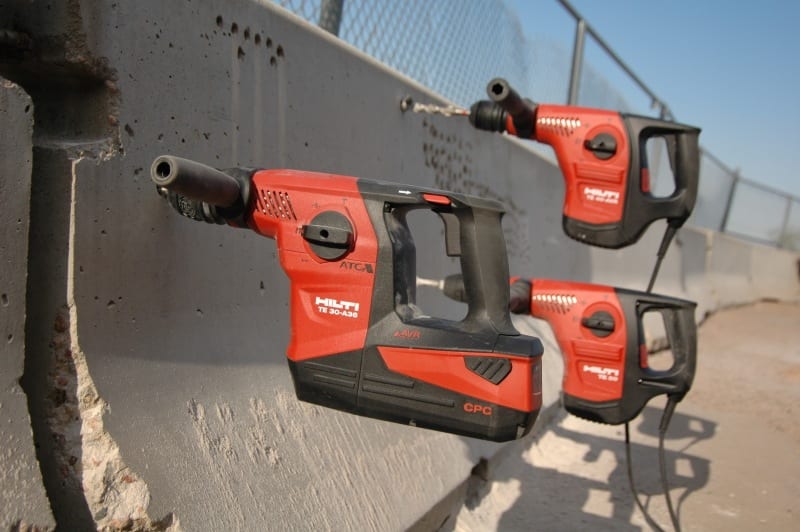
Contractors do not chase a tool because it looks good in a product photo. They chase it when it saves steps on real slabs, block walls, anchors, overhead hangers, and punch-list fixes. That is why the Hilti TE 6 A36 is getting renewed attention from U.S. crews who want a known 36V hammer without dragging a cord across finished floors. It sits in that useful middle ground: stronger than a small drill, easier to live with than a bulky breaker, and familiar enough that many foremen already know what it can handle. For buyers tracking tool drops, contractor supply updates, and jobsite equipment chatter through construction industry coverage, the appeal is simple. A dependable cordless rotary hammer can keep a crew moving when power access, dust rules, and schedule pressure all collide. Hilti technical data for this model lists a 3.7 kg weight, 4–16 mm optimum hammer drilling range, 2.5 J single impact energy, 1050 rpm hammer drilling speed, and 5100 impacts per minute, which explains why it still fits many anchor-drilling jobs.
Why Hilti TE 6 A36 Restock Talk Is Getting Contractor Attention
Restock talk around a pro tool usually starts before the average buyer notices it. A superintendent sees one missing from the gang box. A maintenance tech checks three suppliers. A concrete crew realizes the rental counter has none left before a tenant improvement job. Then the tool starts feeling harder to find than it should.
Why contractors still trust familiar 36V power
The draw is not nostalgia. It is muscle memory. Crews that already own Hilti batteries, bits, dust parts, cases, chargers, and service habits do not want to rebuild their whole setup every time a tool gets replaced by a newer platform. A cordless rotary hammer that has already proven itself on concrete, block, brick, and light chipping keeps a certain kind of value.
That matters on U.S. jobsites where crews move fast between tasks. One hour they are setting sleeve anchors in a warehouse floor. Next, they are drilling for conduit straps in a parking garage. Later, they may need shallow holes in masonry for a security camera install. A tool that feels predictable under load can beat a newer tool that nobody on the crew knows yet.
The non-obvious part is that old confidence can affect speed more than raw power. A worker who knows how hard to press, when to clear dust, which bit length to grab, and how the hammer feels when rebar is near will make fewer mistakes. That is not a spec-sheet feature. It is jobsite fluency.
Where the restock demand is likely coming from
The demand is probably not coming from one clean buyer group. It looks more like a mix: small contractors replacing worn units, facility teams keeping spare hammers on hand, rental houses refreshing kits, and used-tool buyers trying to avoid cheap no-name options. A Hilti tool with a known service record can feel safer than a bargain hammer that burns out after a few hard weeks.
Think about a retail remodel in Ohio. The crew cannot drill during store hours, so the anchor work happens in short night windows. A corded tool may hit harder, but cords across aisles create trip risks and slow setup. A battery-powered SDS Plus hammer drill lets one worker move from column base to wall bracket without calling for power every time.
This is also where construction demand gets practical. Demand is not always about big bridges or towers. It can come from school upgrades, warehouse racking, HVAC retrofits, hospital maintenance, solar mounts, and apartment repairs. Thousands of small drilling tasks can put pressure on the same tool class.
What This Cordless Rotary Hammer Does Best on Site
A mid-size hammer succeeds when it makes the common job boring. That sounds dull, but boring is a compliment in construction. The best tool is often the one nobody has to argue about before starting work.
Best-fit jobs for concrete, block, and anchors
This type of concrete drilling tool makes the most sense for repeated small to medium holes. Anchor holes for pipe supports, mechanical hangers, handrail plates, equipment brackets, and light structural attachments sit right in the comfort zone. Hilti’s listed optimum range of 4–16 mm supports that role, while the broader hammer drilling range reaches 4–20 mm.
That does not mean you should treat it like a demolition hammer. If you need to chew through thick concrete all day or chip tile from a hotel floor for six straight hours, grab a heavier tool. The better use is cleaner and more measured: drill, set, move, repeat. That rhythm fits commercial interiors, service work, and punch-list days.
A counterintuitive truth shows up here. Less tool can sometimes mean more production. A massive hammer may win one hole, then wear out your shoulder on the next forty. A balanced cordless rotary hammer lets a worker stay accurate longer, especially when drilling above shoulder height or moving room to room.
Why the SDS Plus hammer drill format matters
The SDS Plus hammer drill category exists because regular drill chucks do not love concrete dust, hammer shock, and repeated bit changes. SDS Plus bits lock in, move with the hammer action, and swap fast. That saves time when a tech jumps between anchor sizes or changes from drilling to light corrective work.
On a hospital renovation, for example, a maintenance contractor may need to mount brackets in a ceiling deck while keeping nearby areas clean and quiet enough for occupied spaces. The tool needs to drill well, but it also needs to handle awkward body position. Weight, grip, dust control, and bit changes start to matter as much as impact energy.
This is why some buyers still search for older proven models instead of chasing every new release. They know their bits fit. They know which case goes in the truck. They know which worker prefers that grip. Tool choice becomes a system, not a single purchase.
For planning a full kit around this kind of work, connect the hammer to a rotary hammer buying guide and a jobsite tool maintenance checklist. A good hammer without the right bits, batteries, dust setup, and inspection routine will still slow the crew down.
Dust, Runtime, and Safety Are Now Part of the Buying Decision
A rotary hammer used to be judged mostly by hole speed. That still matters, but it is no longer enough. U.S. contractors now think about silica dust, battery runtime, vibration, noise, and cleanup before they choose a hammer for occupied or regulated work.
Dust control is no longer optional thinking
Concrete dust is not harmless jobsite mess. OSHA says respirable crystalline silica can raise the risk of serious lung disease, and OSHA has a construction standard that requires employers to limit exposure and take protective steps. That is why an outbound safety reference such as OSHA’s respirable crystalline silica guidance belongs in any serious discussion about drilling concrete.
The practical lesson is simple. A concrete drilling tool should be judged with its dust attachment, vacuum plan, bit choice, and work area in mind. A hammer that drills fast but throws dust everywhere may create more cleanup, more risk, and more conflict with the site safety lead.
The non-obvious insight is that dust control can protect speed. Many workers see it as a drag. On busy jobs, the opposite often happens. Better capture means less sweeping, fewer complaints from other trades, cleaner holes for anchors, and less time spent stopping work because the area looks out of control.
Battery planning can make or break the day
Cordless freedom only works when the battery plan matches the workload. A 36V hammer can feel great for scattered holes and service calls, then become a headache if the crew forgets chargers or sends one battery into a full day of overhead anchoring. The tool may be capable, but the plan fails.
A good foreman treats batteries like consumables, not accessories. Put charged packs in the truck before the shift. Keep one cooling while another works. Label tired batteries that fade under load. If a crew shares the hammer, assign someone to watch the charger instead of assuming “somebody” handled it.
Here is the quiet truth: runtime complaints often come from poor job staging. If holes are marked, bits are ready, anchors are sorted, and the dust setup is nearby, the hammer spends less time idling and more time doing paid work. That can stretch battery value without changing the tool at all.
How to Buy Smart During a Restock Window
When demand rises, bad buying decisions show up fast. People overpay for incomplete kits, buy tools with missing chargers, ignore battery age, or assume every online listing includes the dust parts they need. A restock window rewards the buyer who slows down before clicking.
What to check before buying a restocked kit
Start with the kit contents. Tool-only listings can make sense if you already own the right batteries and charger. If you do not, the “cheap” listing may turn expensive once you add power packs, a case, grease, bits, and dust gear. Read every line.
Check the chuck, mode selector, battery contacts, side handle, depth gauge, and case condition. If the seller shows photos, look for concrete dust packed around vents or signs of drops near the nose. A pro hammer can take abuse, but abuse still leaves clues.
For used or refurbished units, ask what kind of work it came from. A hammer used by a facility tech for occasional anchors may have a different life than one that spent years in a rental fleet. Rental tools are not always bad, but they deserve closer inspection.
When to choose a newer model instead
A restock does not mean every buyer should chase this exact tool. Hilti’s current U.S. cordless rotary hammer lineup now promotes the TE 6-22 on the Nuron platform, with improved handling and all-day comfort claims around the newer system. If your company already moved to newer batteries, a fresh-platform tool may make more sense than adding an older 36V island.
That said, a mixed fleet can be reasonable. A small contractor may keep one older hammer for rough service work and add a newer model for daily crews. A maintenance department may prefer a known tool because staff already know it. A rental buyer may care more about parts, service, and customer familiarity than owning the newest thing.
The counterintuitive move is to avoid buying from panic. Restock pressure can make a tool feel rare, and rarity can make any price look fair. Slow down. Match the hammer to your hole sizes, battery base, dust plan, service needs, and crew habits. The right choice is the one that keeps work moving after the excitement fades.
Conclusion
The renewed interest in this 36V Hilti hammer says a lot about how contractors buy tools when schedules get tight. They do not need hype. They need equipment that earns trust in concrete, block, overhead work, and service calls where wasted minutes stack up fast. A tool with proven balance, familiar handling, and strong support can keep winning attention even as newer platforms arrive. For many U.S. crews, the Hilti TE 6 A36 fits that practical space between compact drills and heavier demolition tools. The smart buyer will still check kit contents, battery health, dust control needs, and service options before paying restock pricing. That careful pause matters. Construction demand can push people toward rushed purchases, but the best contractors buy for the next hundred holes, not the next headline. Choose the hammer that fits your crew, your safety plan, and your real workday.
Frequently Asked Questions
Is this rotary hammer good for everyday anchor drilling?
Yes, it suits repeated small and medium anchor holes in concrete, block, and masonry. It makes the most sense for contractors who need mobility, steady hammer action, and SDS Plus bit changes without setting up a corded tool for every task.
What size holes does this type of hammer handle best?
The sweet spot sits around common anchor sizes used for brackets, hangers, conduit straps, and light commercial attachments. Larger holes may work within the rated range, but heavy drilling all day calls for a bigger hammer.
Is a cordless rotary hammer strong enough for commercial construction?
Yes, for many commercial tasks. It works well for layout changes, tenant improvements, service calls, and overhead supports. It should not replace a larger corded or battery demolition tool for heavy chipping or thick concrete removal.
Should I buy tool-only or a full kit?
Buy tool-only only when you already own compatible batteries and a charger. A full kit usually makes more sense for first-time buyers because batteries, chargers, cases, and dust parts can raise the true cost fast.
What should I check on a used SDS Plus hammer drill?
Inspect the chuck, mode selector, battery contacts, side handle, vents, and case. Ask about prior use, especially rental history. Heavy concrete dust around vents or loose controls can point to a rough service life.
Does dust collection matter for small drilling jobs?
Yes. Small holes can still create silica dust when drilling concrete or masonry. A proper dust plan helps protect workers, keeps holes cleaner, and reduces cleanup problems on occupied or safety-sensitive jobsites.
Is it worth waiting for a restock instead of buying another brand?
It depends on your battery platform, service access, and crew habits. Waiting makes sense if your team already uses Hilti gear. Switching brands may work if the new setup solves cost, runtime, or availability problems better.
Can this hammer replace a regular drill?
No, not fully. It can drill concrete far better than a standard drill, and some setups allow wood or metal drilling with the right chuck. Still, a lighter drill remains better for screws, cabinets, trim, and delicate work.