

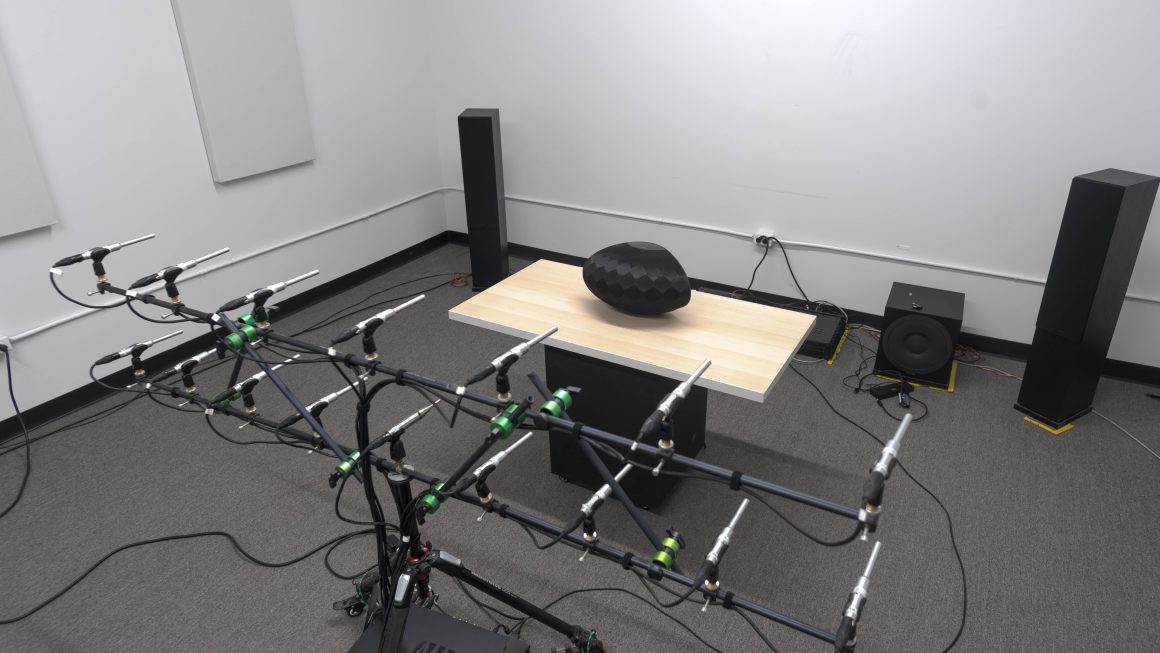
Some speakers vanish quietly, and some leave a hole in the room after they are gone. The Formation Wedge Speaker sits in that second group because it was never a plain box built to hide on a shelf. For U.S. buyers watching restock alerts, the appeal is simple: one sculpted wireless unit that can fill a living room, look intentional, and avoid the cable mess that turns good audio into a weekend chore. That mix explains why renewed demand feels stronger than a normal product cycle. People are not only chasing louder sound. They want a speaker that feels closer to furniture, art, and hi-fi gear at the same time. If you follow home technology and audio buying trends, this is the kind of product that keeps coming back because it solves a lifestyle problem, not a spec-sheet problem. It fits the renter with no space for separates, the homeowner who dislikes visible gear, and the music fan who wants a serious upgrade without rebuilding the room.
Why Restock Demand Is Rising Around One-Box Audio
The return of interest around this model says something useful about how Americans are buying home audio now. A lot of shoppers have already tried small smart speakers, portable Bluetooth cubes, or a basic soundbar under the TV. Those products work. They do a job. Yet they often fail when the room becomes the main listening space rather than background noise for cooking, emails, or cleaning.
Buyers Want More Than Loud Background Music
The first pull is emotional, not technical. A buyer in a Chicago apartment may not want tower speakers, an amp, and a rack full of equipment. That setup may sound excellent, but it also takes space, invites neighbor complaints, and creates cable paths across rooms that were never designed for gear.
A premium one-box speaker answers that tension. You get a cleaner room and a larger sound than a basic smart speaker can give. That is why the wireless home speaker category keeps gaining attention among people who care about design as much as sound.
The non-obvious part is that convenience alone is not enough. Cheap convenience already exists. What buyers want now is a device that removes friction without making the music feel thin. That is a much harder promise.
Design Has Become Part of the Buying Decision
The Wedge shape matters because most speakers look like equipment. This one looks like a chosen object. In a modern U.S. living room with a low walnut console, framed prints, and a neutral rug, a black rectangle may feel like a leftover office device. The curved body changes that first impression.
That design choice also affects where people place it. A speaker that looks better out in the open is more likely to sit where it can sound better. Hide a speaker in a cabinet and you lose much of the point.
That is the quiet trick. Good design can improve the listening experience because it gives the speaker permission to occupy the right spot.
How the Formation Wedge Speaker Fits Real American Homes
A strong home speaker has to survive real rooms, not showroom lighting. The average buyer is not testing gear in a treated studio. They are putting it near a sofa, beside a bookcase, under a wall-mounted TV, or across from a kitchen island. That is where this kind of speaker earns attention.
The Living Room Is the Hardest Test
A living room asks one device to do too much. It has to play softly during dinner, stay clear during a podcast, and still sound full when friends come over on a Saturday night. A small speaker can sound pleasant near your hand, then disappear once people start talking.
A hi-res audio speaker built for room-filling sound has a better chance here. The point is not volume alone. The point is control. You want voices to stay clean, bass to feel present without turning muddy, and treble to avoid that sharp edge that gets tiring after an hour.
Take a 14-by-18-foot family room in a suburban home outside Dallas. Put a small smart speaker on one side table and the sound tends to cling to that corner. Place a larger wireless unit on a console facing the seating area, and the room feels more centered. You hear music as part of the space, not as a device calling from across it.
Apartment Buyers Care About Control, Not Size
Apartment shoppers often think they need the smallest speaker possible. That sounds sensible, but it can be wrong. A tiny speaker pushed hard may disturb neighbors more than a better speaker played at a moderate level. Strain travels. Harsh bass travels too.
A refined wireless home speaker can be easier to live with because you do not need to force it. Late at night in a Brooklyn studio or a Los Angeles one-bedroom, lower volume with fuller tone can feel better than a small unit working near its limit.
This is where the Bowers Wilkins speaker appeal becomes clear. It is not for someone who wants audio gear hidden like a router. It is for someone who wants music to feel grown-up without turning the room into a listening lab.
What Serious Buyers Should Check Before Ordering
Restock demand can make people rush, and that is where mistakes happen. A beautiful speaker at the wrong price, from the wrong seller, with missing parts or weak return terms, is not a win. The smarter move is to slow down for ten minutes before checkout.
Match Streaming Habits Before You Compare Prices
Start with how you listen. If most of your music comes from Apple devices, AirPlay 2 support matters. If your household uses Spotify, Spotify Connect may matter more. If you run a music library through Roon, that support changes the value of the product.
The official Bowers & Wilkins page lists Wi-Fi, AirPlay 2, Bluetooth, Roon, Spotify Connect, and 24-bit/96kHz support, so buyers should compare those features against their daily habits before chasing a deal on the official Bowers & Wilkins Formation Wedge page. Specs only matter when they match your routine.
The counterintuitive point is that fewer physical inputs may be fine. Many buyers see limited ports and assume weakness. For a streaming-first home, fewer inputs can mean fewer decisions and fewer ways for guests or family members to break the setup.
A Restock Price Still Needs a Sanity Check
A restock is not the same thing as a bargain. Some listings rise in price because supply looks tight. Others look cheap because they are open-box, missing packaging, or coming from sellers with poor warranty clarity. That difference matters.
Before ordering, check the return window, seller rating, condition notes, included power cable, color, and warranty language. For used or open-box units, ask about cosmetic marks on the grille and whether the device has been reset from the prior owner’s account.
A Bowers Wilkins speaker buyer should also think about where it will sit before buying. Measure the shelf or console. Check nearby outlets. Make sure the speaker will not be trapped behind decor, plants, or a TV leg. The best deal still fails if the speaker ends up in the wrong part of the room.
Where It Beats Cheaper Speakers, and Where It Does Not
A product like this wins when expectations are honest. It is not trying to be a tiny travel speaker. It is not a full stereo pair with separate left and right cabinets. It lives in the middle, and that middle space is where many modern buyers are spending money.
Sound Quality Depends on Room Behavior
The promise is fuller, cleaner sound from one object. That is different from true two-speaker stereo separation. A single unit can create width, but it cannot place instruments across a room the same way two spaced speakers can.
That does not make it weak. It means the buyer has to choose the right goal. For dinner playlists, jazz in the evening, acoustic tracks, podcasts, and everyday music, a serious one-box unit can feel more natural than a budget pair set up badly.
A hi-res audio speaker also needs decent source quality. If your playlist is full of low-quality files or your Wi-Fi drops in the back room, no speaker can fix every weak link. Better gear reveals more. That includes flaws.
The Best Buyer Is Not Always the Biggest Audiophile
The obvious buyer seems to be the hardcore music fan. That is only half true. A strict audiophile may still prefer separate speakers, an amp, and more control over the sound chain. The better fit may be the design-aware listener who wants strong sound without gear sprawl.
Think of a couple furnishing a new townhome in Austin. They want music in the open living area, but they do not want black boxes, speaker stands, and wires near the walkway. A premium one-box system makes more sense than a traditional setup they will resent looking at every day.
That is why guides like best wireless speaker setup ideas and home audio buying guide for modern rooms should not treat this category as a compromise. Sometimes the best audio choice is the one people will place correctly, use daily, and leave visible.
Conclusion
Restock attention around this speaker makes sense because it touches a gap that cheaper audio products keep missing. People want sound that feels generous, but they also want rooms that stay clean, calm, and easy to live in. The smartest shoppers will not buy from panic. They will check seller terms, match streaming support to their habits, and decide whether one strong sculptural unit fits their home better than a full stack of gear. The Formation Wedge Speaker remains interesting because it treats audio as part of the room instead of a gadget sitting inside it. That idea still feels fresh for Americans who want better music without turning daily life into a setup project. Buy it for the right reason: not because it is back in stock, but because it fits the way you listen. Choose the speaker that earns its place every day.
Frequently Asked Questions
Is the Bowers Wilkins Formation Wedge worth buying after a restock?
Yes, if you want a serious one-box speaker with strong room presence, polished design, and streaming-friendly features. It makes less sense if you need HDMI, wired inputs, or a traditional stereo setup with separate left and right speakers.
Who should buy this type of premium audio speaker?
It fits buyers who care about both sound and room design. Apartment renters, condo owners, and homeowners with open living spaces may like it because it avoids stands, receivers, and long cable runs while still feeling more grown-up than a small smart speaker.
Does this speaker work well in an apartment?
Yes, it can work well if you place it carefully and keep volume under control. A fuller speaker played at moderate volume can be easier to live with than a tiny speaker pushed hard until it sounds sharp or boomy.
What should I check before buying an open-box unit?
Check the return policy, warranty language, seller rating, condition notes, included power cable, color, and whether the speaker has been reset. Ask for real photos if the listing uses stock images or gives vague wording about cosmetic wear.
Is a one-box speaker better than a soundbar for music?
For music, often yes. A soundbar is built around TV placement and dialogue clarity. A dedicated wireless music speaker can feel more natural for albums, playlists, and podcasts, though it will not replace a soundbar for home theater needs.
Can this replace a full stereo system?
It can replace a full system for many casual and design-focused listeners, but not for every audiophile. Separate speakers still offer wider physical stereo separation and more upgrade paths. The tradeoff is space, wiring, cost, and setup time.
Why are buyers interested in older wireless speakers again?
Older models can regain attention when they offer a rare mix of design, sound quality, and features that newer budget speakers do not match. Restock buzz often grows when shoppers feel current options look plain or sound too small.
What is the best room placement for a sculptural wireless speaker?
Place it on a stable console, cabinet, or shelf with open space around the front and sides. Avoid deep cabinets, corners packed with decor, or spots behind the TV. A visible, centered position usually gives both better sound and better style.