


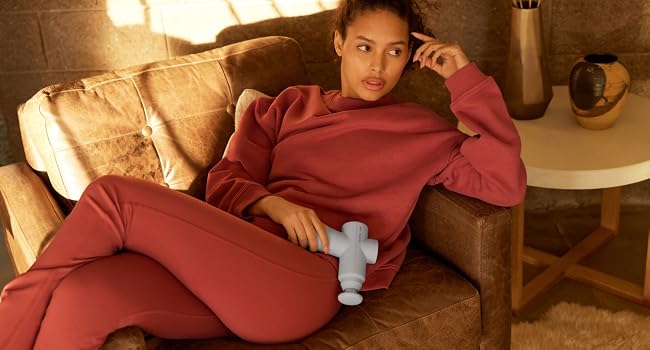
Some desk jobs do not hurt while you are doing them. They collect tension in quiet places until the drive home, the evening walk, or the first stretch after dinner. That is why the compact massager has caught attention among office workers who want relief that fits into a drawer, gym bag, or carry-on without turning recovery into a full home routine. The Hyperice Hypervolt Go 2 sits in that sweet spot: small enough for daily use, strong enough for tight shoulders and calves, and simple enough that you do not need a training plan to understand it. For U.S. office workers dealing with long meetings, laptop neck, and stiff commutes, the appeal is easy to see. It feels less like fitness gear and more like a practical desk-life tool. People who follow workplace wellness product trends have noticed the same shift: recovery devices are moving out of gyms and into normal workdays. That shift matters because soreness from sitting is rarely solved by one big fix. It improves through small, repeatable choices.
Why This Compact Massager Fits the Desk-Job Body
Office discomfort has a strange timing problem. You can sit through eight hours of calls, emails, reports, and chats without feeling much more than a little tightness. Then you stand up and your body gives a delayed report. Neck stiff. Hips locked. Forearms heavy. Lower back annoyed. The Hyperice Hypervolt Go 2 fits that pattern because it does not ask you to wait until a workout is over or a weekend starts.
The portable massage gun that matches real workdays
A portable massage gun makes sense in an office setting because it lowers the effort needed to start. That sounds small, but it changes behavior. A bulky device stays in a closet. A lighter one sits near your laptop, next to a water bottle, or inside the side pocket of a work tote.
That difference matters more than raw power for many desk workers. The real problem is not always deep muscle damage. It is low-grade tension that builds in the traps, forearms, glutes, and calves after hours of stillness. You need something easy enough to use before a meeting, after lunch, or before your commute home.
Think about a project manager in Chicago who spends half the day on video calls. She may not need a sports-therapy session at 3 p.m. She needs 90 seconds around the upper back, a shoulder reset, and a reason to stand up. The Go 2 fits that kind of moment better than a larger device built for post-leg-day recovery.
Why desk posture pain feels worse after small habits
Desk posture pain often comes from tiny habits that repeat all day. A laptop placed too low. One shoulder lifted while typing. Feet tucked under the chair. A phone pinned between shoulder and ear during a call. None of these choices feels dramatic in the moment.
Then repetition does the work.
The non-obvious part is that relief should match the size of the problem. A mild ache caused by stillness does not always need aggressive pressure. It often needs circulation, movement, and attention before the area gets cranky. That is where a light recovery device can help, as long as you do not treat it like a repair tool for every ache.
The better routine is simple: stand up, move, breathe, then use the device on muscle areas for a short pass. That order matters. Percussion feels better when your body is not frozen in the same chair position that caused the tension.
What Office Workers Should Notice Before Buying
The Go 2 has the kind of specs that sound plain on paper: three speed settings, two attachments, a small body, and a battery designed for several sessions between charges. Plain is not a weakness here. For office use, too many modes can turn relief into another decision. Most people need less fuss, not more buttons.
Noise, grip, and reach matter more than raw force
Office workers should care about noise before power. A device can feel great at home and still feel awkward if it sounds harsh through an apartment wall or shared workspace. Quiet operation makes the difference between using it during a break and leaving it untouched because you feel self-conscious.
Grip also matters. A massage gun that slips, vibrates hard in the hand, or requires wrist strain becomes another source of tension. The Go 2’s smaller frame helps here because you can reach shoulders, forearms, thighs, and calves without wrestling the device.
There is a practical example in every coworking space. Someone may want to loosen a calf after walking from the train, but they will not unpack a huge recovery kit beside a shared desk. A smaller unit feels less theatrical. That makes it more likely to be used, which matters more than owning the strongest model.
The small limits that keep expectations honest
A smaller massage gun is not a replacement for physical therapy, a better chair setup, or medical care. It should not be treated as a cure for sharp pain, numbness, swelling, or injury. That honest limit makes the product more useful, not less.
The Go 2 is better for daily tension than for serious deep-tissue work. That is the trade. You gain portability and ease, but you do not get the same attachment range or heavy output found in larger recovery tools.
This is where many buyers make the wrong comparison. They compare every device by force, then wonder why the strongest one stays in the closet. The better question is different: which device will you reach for after six hours of sitting? For many office workers, the answer is the one that feels easy to pick up.
For more desk setup and movement ideas, pair device use with better home office comfort tips instead of expecting one product to carry the whole load.
Smarter Ways to Use It During a Workweek
A recovery tool works best when it becomes part of a rhythm. Not a ritual with candles and a 40-minute playlist. A rhythm. Short passes, steady pressure, and smart timing beat random overuse. The goal is to help your body reset before tension turns into the mood of the whole day.
Office muscle recovery starts before soreness takes over
Office muscle recovery should begin while the discomfort is still mild. Once your shoulders are already guarding, your lower back is stiff, and your jaw is tight, you are playing catch-up. A short break earlier in the day can feel less dramatic, but it often works better.
Use the Go 2 after long sitting blocks, not while you are still folded into the same posture. Stand first. Roll your shoulders. Walk to refill water. Then use the device across muscle areas where tension gathers.
The counterintuitive move is to avoid chasing pain. Do not press hardest where it hurts most. Work around the area with steady, light pressure. For desk workers, the target is usually relaxation and circulation, not punishment.
A two-minute routine for shoulders, back, and legs
A simple workday routine might look like this:
- Upper traps and shoulders: 20 to 30 seconds per side
- Forearms: 20 seconds per side after heavy typing
- Glutes or hips: 30 seconds per side after long sitting
- Calves: 20 seconds per side before the commute
Keep the motion slow. Let the device float over the muscle instead of digging into joints or bones. The flat attachment usually makes sense for broader areas. The bullet attachment should be used with more care because it feels more targeted.
The best time may not be after work. For many people, midafternoon is better. That is when posture starts to collapse, caffeine wears off, and small aches begin asking for attention. A short reset then can make the final stretch of the workday feel less heavy.
For a broader routine, connect this with simple stretching ideas for desk workers so the device supports movement instead of replacing it.
Where It Fits Against Bigger Recovery Gear
The Go 2 is not trying to be the biggest tool in the recovery drawer. That is the point. Bigger gear can be excellent for athletes, lifters, runners, and people who want more attachments or more force. Office workers often need a different kind of value. They need the device they will use on a Tuesday.
When a portable massage gun beats a larger model
A portable massage gun wins when convenience decides the outcome. If you travel for work, carry a laptop bag, or move between office and home, size matters. A larger device may offer more options, but options do not help when the product stays behind.
The Go 2 also fits people who want recovery without turning it into a hobby. There is no need to study ten attachment heads or build a complicated routine. Pick the right area, choose a comfortable speed, and keep the session short.
That simplicity is not a downgrade. It is the main appeal. The best device for office workers is often the one that respects how tired people feel after work. Nobody wants another chore disguised as self-care.
When your chair, desk, or walk matters more
A massage gun cannot fix a poor workstation. If your monitor is too low, your chair makes you curl forward, or your feet never sit flat, the same tension will return. The device may calm the symptom, but the setup keeps feeding it.
That is why workplace ergonomics still matters. The National Institute for Occupational Safety and Health offers ergonomics guidance for preventing work-related musculoskeletal disorders, and the basic idea is simple: reduce strain before it becomes a daily pattern.
A mildly surprising truth sits here. The best partner for the Go 2 may be a timer that reminds you to stand, not another recovery tool. A five-minute walk, a better screen height, and a short massage pass can beat a longer session done after ten locked-in hours.
Conclusion
The Hyperice Hypervolt Go 2 makes sense because it meets office discomfort where it lives: in small pockets of tension, awkward posture, and tired muscles that never had a single dramatic cause. It is not a magic answer, and that is why it feels more believable. A useful desk-life tool should fit the day without demanding a new identity. The compact massager works best for people who want short relief, steady habits, and a device they are likely to keep within reach. Pair it with movement, better desk height, and honest body awareness, and it becomes more than a trendy purchase. It becomes a reminder to stop letting workdays borrow comfort from your evenings. Start with one short reset during your longest sitting block this week. Your body should not have to wait until Friday to be heard.
Frequently Asked Questions
Is the Hyperice Hypervolt Go 2 worth it for office workers?
Yes, it can be worth it for workers who deal with shoulder tightness, forearm strain, stiff hips, or calf tension from sitting. Its value comes from easy daily use, not extreme power. People with sharp or ongoing pain should speak with a clinician.
How often should desk workers use a massage gun?
Short sessions a few times per week are enough for many people. Daily use can be fine when pressure stays light and sessions remain brief. Avoid using it on the same sore spot for too long, especially if the area feels irritated afterward.
Can a massage gun help with desk posture pain?
It may help ease muscle tension linked to desk posture pain, but it will not correct the posture habit itself. Better screen height, movement breaks, and chair setup still matter. Use the device as support, not the full solution.
What areas should office workers avoid with the Hypervolt Go 2?
Avoid bones, joints, the front and side of the neck, bruised skin, swollen areas, and any spot with numbness. Stick to muscle areas such as shoulders, upper back, glutes, thighs, calves, and forearms. Stop if pain feels sharp.
Is the Hypervolt Go 2 better than a full-size massage gun?
It is better for portability, desk use, travel, and simple relief. A full-size model may be better for intense recovery, larger muscle groups, or users who want more attachments. The better choice depends on how and where you will use it.
Can I keep the Hypervolt Go 2 at my desk?
Yes, that is one of its strongest use cases. Keeping it nearby makes short recovery breaks easier to remember. Store it where it will not roll, fall, or distract coworkers, and use it during breaks rather than during active meetings.
Does office muscle recovery need a device?
No. Office muscle recovery can start with walking, stretching, better posture, and steady hydration. A device can make relief easier, but it should support those habits. The strongest routine is simple enough that you repeat it on busy days.
What is the best time to use a massage gun during work?
Midday or midafternoon often works well because tension has started to build but has not taken over yet. Use it after standing or walking for a minute. A short reset before the commute can also help if sitting continues in the car or train.